Service Mesh in 2024: Istio Ambient and Cilium Mesh
Actualizado: 2026-05-03
The service mesh landscape in 2024 is more mature than ever. The two major projects —Istio and Cilium— have converged on a sidecarless philosophy via Istio Ambient Mesh and Cilium Service Mesh. Linkerd keeps sidecars but with minimal overhead. The question is no longer “sidecar or not?” but “which fits your stack and team?”
Key takeaways
- Istio Ambient (GA): per-node ztunnel + optional per-namespace waypoint. No per-pod sidecars for L4; Envoy per namespace for L7.
- Cilium Service Mesh (GA since 2023): eBPF-native with integrated CNI. The CNI and the mesh are the same piece.
- Linkerd: very light Rust sidecars (~10 MB RAM/pod). The simplest option for small teams.
- The decision is not “which is better” but “which fits current CNI, required features, and ops team size”.
- All three are safe production bets in 2024.
The sidecarless shift
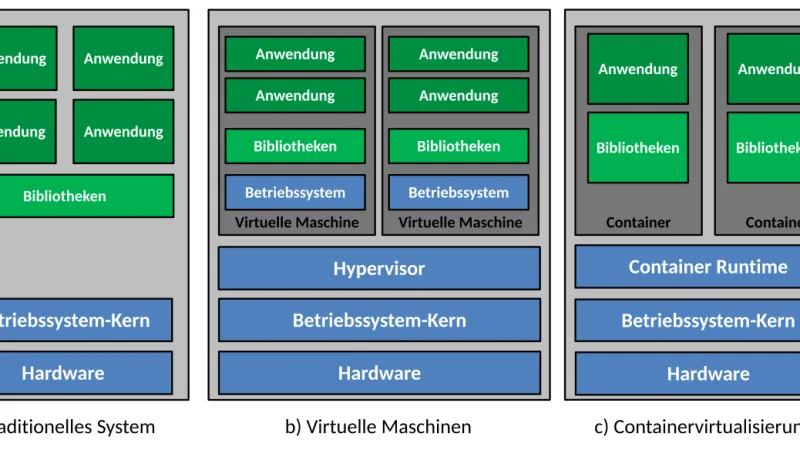
Until 2023, Istio and Linkerd used per-pod sidecars with concrete criticisms: 50-200 MB RAM per pod, 2-5ms additional latency, lifecycle complexity. 2024 solutions: Istio Ambient with ztunnel per node and optional waypoint per namespace; Cilium Service Mesh with eBPF in the kernel.
Comparison table
| Aspect | Istio Ambient | Cilium Mesh | Linkerd |
|---|---|---|---|
| Architecture | ztunnel + waypoint | eBPF + Envoy | Sidecar linkerd2-proxy |
| Sidecars | No (optional waypoint) | No | Yes (Rust, ~10 MB/pod) |
| CNI | Separate | Integrated | Separate |
| mTLS | Per identity | Per node/identity | Per identity |
| Learning curve | Medium-high | High | Low |
When to pick each
Istio Ambient: already on Istio sidecar, demanding compliance (JWT, OPA, rate limits), multi-tenant with strict identities, complete ecosystem matters (mesh + gateway + policy).
Cilium Mesh: greenfield Kubernetes or willing to change CNI, throughput critical, unified network policy and service mesh, advanced multi-cluster.
Linkerd: small team without dedicated mesh operator, simplicity over features, small to medium clusters.
Decision framework
Five questions: How much overhead can you afford? (Linkerd < Cilium < Istio Ambient.) What features do you need? What’s your current CNI? Do you need multi-cluster? What’s the ops team size?
Conclusion
Service mesh in 2024 is at a sweet point: mature sidecarless solutions, low-overhead alternatives, projects with solid governance. The correct decision is not which is best in the abstract, but which fits your team, existing stack, and required features. All three are safe production bets.