Stable Diffusion XL: Powerful Open Image Generation
Updated: 2026-07-12
Stability AI[1] released Stable Diffusion XL (SDXL) in July 2023, marking a significant leap in image-generation quality within the open-source family. Unlike Midjourney or DALL-E, SDXL ships with downloadable weights under a permissive licence, making it attractive for teams that need control over where and how inference runs.
Este artículo también está disponible en español: Stable Diffusion XL: generación de imágenes abierta y potente.
Key takeaways
-
SDXL has 3.5B parameters in U-Net base + optional refiner, vs ~900M in SD 1.5, with native 1024×1024 resolution.
-
Handles longer prompts (75+ tokens) better than SD 1.5 and generates fewer artefacts in limbs and text.
-
Requires an NVIDIA GPU with 12+ GB VRAM for smooth inference; managed APIs cost ~$0.01-0.05 per image.
-
SDXL wins on control and reproducibility; Midjourney on default aesthetics; DALL-E 3 on complex prompt adherence.
-
The optimal workflow combines base model + style LoRA + ControlNet for composition + refiner for final detail.
What changes vs SD 1.5 and SD 2.1
SDXL is a redesigned architecture. Three key differences from earlier models:
-
Size: 3.5 billion parameters in U-Net (base) + 6.6 billion in refiner, vs ~900M in SD 1.5. This explains both the quality leap and the increased hardware requirements.
-
Native resolution: trained at 1024×1024, vs 512×512 for SD 1.5. Images show better composition and fewer artificial upscaling artefacts.
-
Additional conditioning: besides the prompt, SDXL takes as input the original crop size during training, reducing artefacts like duplicated limbs or illegible text in images.
A less-obvious practical change: SDXL handles long prompts more fluidly. SD 1.5 saturated with prompts over 30-40 tokens; SDXL works well with 75+ tokens, allowing more detailed descriptions.
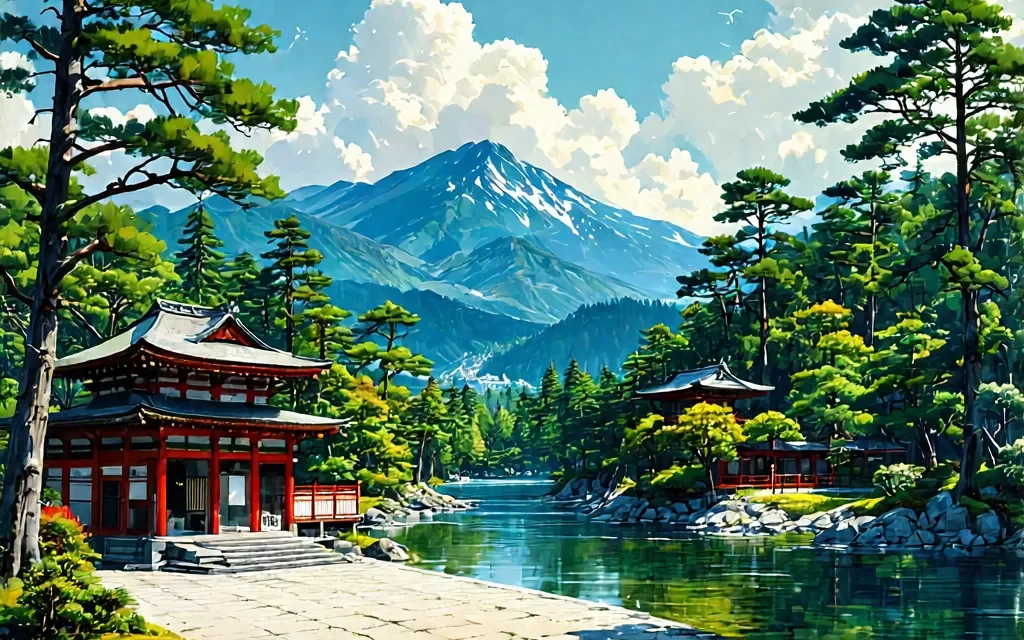
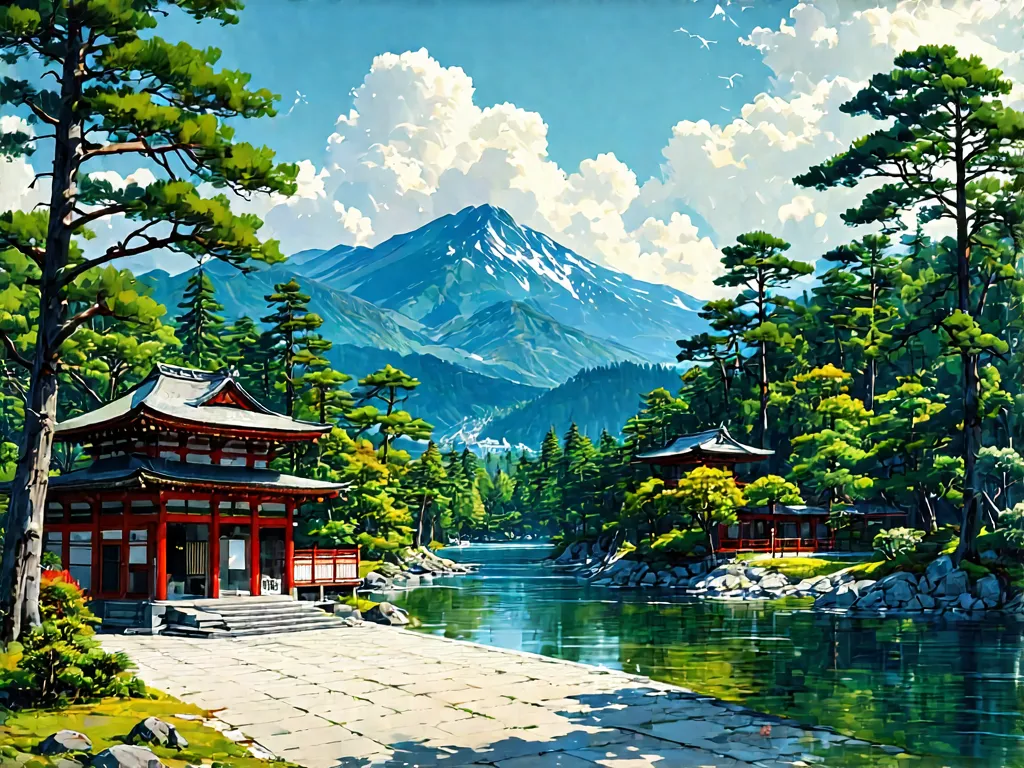 Image generated by Stable Diffusion 3.5 Large Turbo: a representative example of the detail level achieved by state-of-the-art open diffusion models
Hardware requirements
The open-source promise comes with hardware cost. SDXL requires:
-
NVIDIA GPU with 12+ GB VRAM at minimum (RTX 3060 12GB); the ideal scenario is an RTX 4090.
-
Optional refiner: adds detail in faces and textures but doubles VRAM usage. Many workflows skip it after confirming base-model output is sufficient.
-
CPU: technically possible, but produces minutes-per-image times rather than seconds; not viable for production.
For those not wanting to manage GPUs, managed APIs such as Replicate[2], Together AI[3], or Stability Cloud[4] expose SDXL at approximately $0.01-0.05 per image depending on resolution.
Practical comparison: SDXL vs Midjourney vs DALL-E 3
Each generator has a distinct profile:
-
SDXL: maximum technical control. Sampler, CFG scale, seed, ControlNet, custom LoRA adjustments. Ideal when you need exact reproducibility, style consistency across images, or integration into your own pipeline. The natural option when generative AI becomes part of a broader image analysis workflow.
-
Midjourney[5]: best average aesthetic without configuration. If you want "the pretty image by default", Midjourney wins. Less controllable, closed, accessible only via Discord.
-
DALL-E 3[6]: best adherence to complex natural-language prompts. It interprets spatial relationships and descriptive compositions better than the other two. Integrated in ChatGPT, making it accessible without API access.
No absolute winner. Product teams often test all three in parallel with the same prompts before deciding which fits their use case and operational constraints.
Recommended workflow
For serious SDXL use, a workflow that scales well:
-
Base prompt + style as LoRA. Train a LoRA (lightweight fine-tune, ~50-200 images) with your brand’s visual style. Generate with base prompt + LoRA to ensure visual consistency without regenerating from scratch each time.
-
ControlNet for composition. When a specific layout is needed (product in foreground with blurred background, specific pose), ControlNet[7] conditions generation with a sketch, pose skeleton, or depth map.
-
Refiner for the final pass. Two phases: generate with the base model (faster), then pass the best candidates through the refiner (slower, better facial and texture detail).
-
Inpainting for targeted corrections. Instead of regenerating the whole image, replace only the problematic region: hands, text, specific objects.
Tools like Automatic1111 WebUI[8], ComfyUI[9], or InvokeAI[10] wrap this flow with a UI. For production integrations, Hugging Face’s diffusers[11] library provides full programmatic control.
Licence considerations
SDXL is published under the OpenRAIL++-M License[12]: allows commercial use with restrictions on generating illegal, deceptive, or harmful content. For product use, review the clauses: they limit specific cases (non-consensual sexual content, deliberate disinformation), not general use.
On the training of these models, the legal situation is active. Several lawsuits[13] question whether training on copyrighted images without a licence complies with copyright law. Outcomes will likely affect the whole diffusion model ecosystem.
This context fits the broader reflection on AI development and advances and the regulatory frameworks emerging at European and global levels.
Conclusion
SDXL consolidates open image generation as a competitive alternative to proprietary models. For teams that need technical control, result reproducibility, or predictable cost per image, it justifies the hardware cost. For sporadic use without specific technical requirements, managed APIs or proprietary models remain the lowest-friction path. The optimal decision depends on data privacy constraints, generation volume, and the level of customisation required.