Kubecost and OpenCost: Native FinOps in Kubernetes
Kubecost da visibilidad de coste por namespace, deployment y label. OpenCost es su núcleo OSS. Cuándo compensa y cómo integrar en el workflow de K8s.
Tag
Kubecost da visibilidad de coste por namespace, deployment y label. OpenCost es su núcleo OSS. Cuándo compensa y cómo integrar en el workflow de K8s.
Kubernetes 1.31 no trae fuegos artificiales, pero estabiliza AppArmor, convierte los sidecars en ciudadanos de primera clase y deja DRA a un paso del GA. Repaso desde la óptica de quien opera clústeres.
El debate sidecar-or-not se resolvió con dos opciones maduras: Istio Ambient y Cilium Mesh. Comparativa operativa y cuál encaja con tu equipo.
Ejecutar workloads cuando la red eléctrica es más limpia reduce emisiones sin cambiar la infraestructura. Tools, patterns y casos con ROI demostrado.
Fluent Bit sustituye agentes pesados con un binario en C de poco más de un megabyte. Cuándo gana a Promtail o Vector y cómo integrarlo sin dramas.
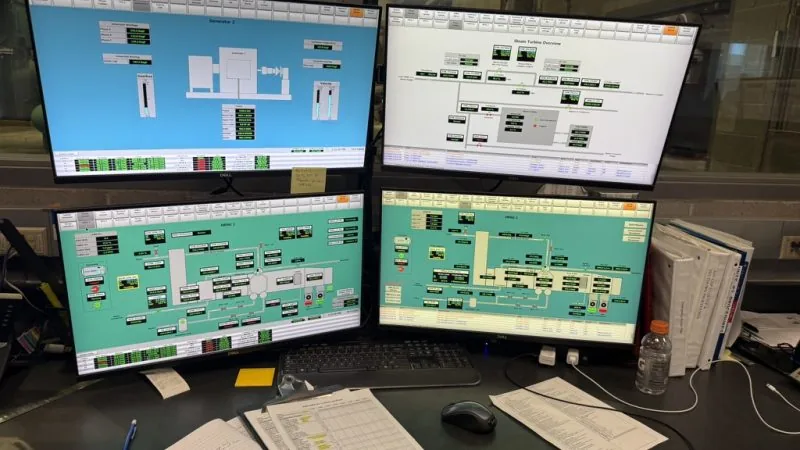
Llevar SCADA a contenedores gana flexibilidad pero abre nuevos vectores de riesgo. Qué funciona, qué no, y cómo gobernar la transición.
Cilium ofrece service mesh sin sidecars gracias a eBPF. Cuándo supera a Linkerd/Istio y cuándo su enfoque novedoso tiene límites.
Dos años después de irrumpir, Sigstore se ha consolidado como estándar de firma para artefactos OCI. Repaso del estado real en los grandes registros y de lo que funciona en producción.
Linkerd apuesta por simplicidad y rendimiento antes que por catálogo de features. Dónde supera a Istio, qué cuesta operarlo y cuándo un service mesh compensa la complejidad.
Falco observa el kernel de Linux y detecta comportamiento anómalo sin instrumentar apps. Cuándo tiene sentido, cómo se integra y dónde duele la operación.
Flux y ArgoCD son las dos opciones GitOps maduras en la CNCF. Comparativa práctica de filosofía, features y cuándo cada una encaja mejor.
ArgoCD ha consolidado GitOps como la práctica deploy estándar en Kubernetes. Cómo aprovecharlo bien y qué errores evitar en producción.