We've spent a decade talking about digital twins on the factory floor, and today real plants in Spain have twins that actually work. Of the four typologies (asset, process, plant, and product), three have proven return; the product twin remains more promise than reality. A look at which platforms are winning, where the twin pays for itself, and what is still hype.
In 2024, digital twins in health already show measurable results: hospital twins optimise operating rooms and emergency departments, and device twins enable predictive maintenance of imaging equipment. Clinical twins that affect diagnosis or treatment fall under the EU Medical Device Regulation (MDR, 2017/745) and require years of clinical validation before real use.
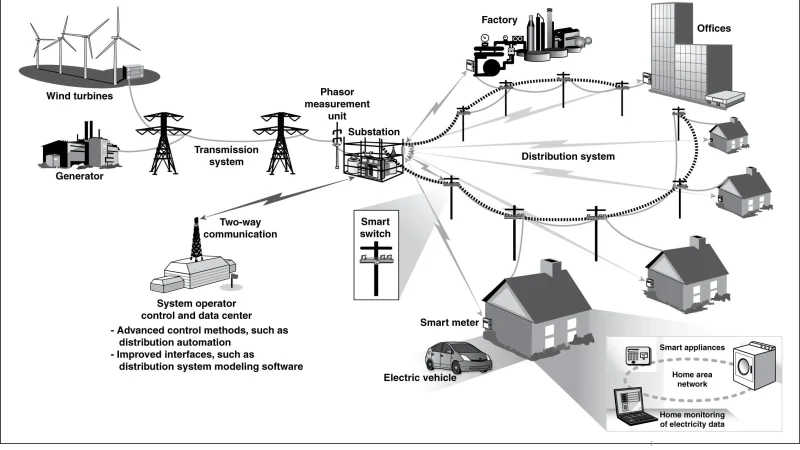
Digital twins in energy simulate transmission grids, wind farms, and conventional plants in real time. They predict failures weeks ahead, cut corrective maintenance 10-25%, and deliver payback in 18-36 months. The main obstacles are IT/OT integration and cybersecurity; not every asset justifies the investment.
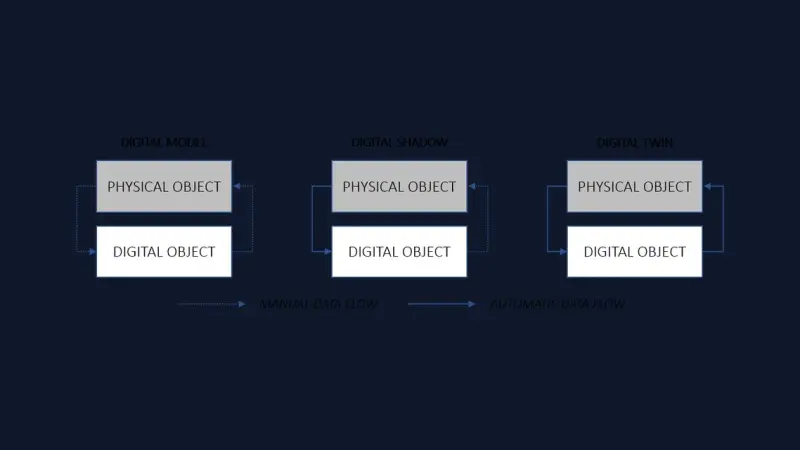
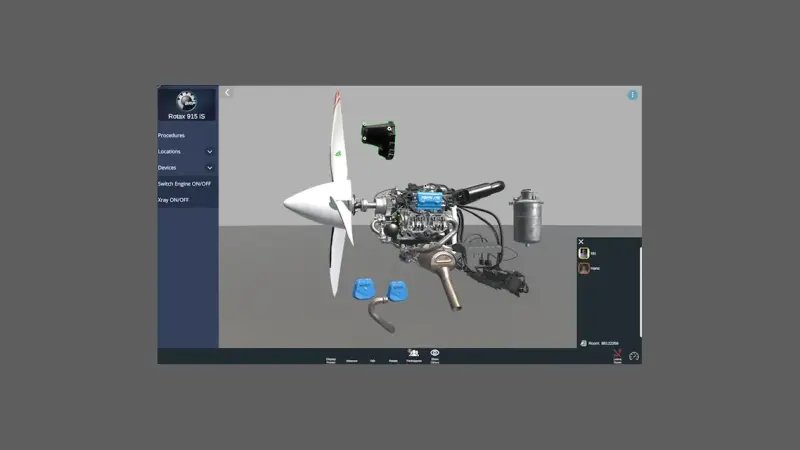
A digital twin is a software replica of a physical asset (machine, production line, or whole plant) synchronised in real time with IoT sensors. It enables failure prediction, energy optimisation, and operator training without risk. It returns real value when the asset is critical, the data is reliable, and the team can maintain the model long-term.
The customer digital twin is a dynamic virtual representation of a real user, built from behavioural data, preferences, and interactions and updated in real time. Unlike a static CRM profile, it anticipates needs, personalises experiences at scale, and supports proactive decisions about each customer relationship.
The best digital twin tools fall into three categories: simulation (ANSYS, Siemens NX, COMSOL, Dassault SIMULIA), virtual-reality visualisation (Unity, Autodesk VRED, Blender), and lifecycle management or PLM (Siemens Teamcenter, PTC Windchill, Aras). The right choice depends on your sector, asset type, and the integration budget with your existing operational systems.
The Digital Twin of the Organization (DTO), a term coined by Gartner, is a virtual replica of the entire company that synchronises with real data to simulate scenarios, detect problems before they happen, and optimise production, supply chain, and decision-making without risking physical operations.
7 min221
We use first- and third-party cookies to analyze site traffic. You can accept them, reject them, or configure your choice.
Learn more about cookies
Cookie preferences
NecessaryEssential for the site to work. Always on.
AnalyticsHelp us understand how the site is used (Google Analytics).