Large language models have spent two years promising effortless documentation for code, APIs and architecture. After watching dozens of projects try it, clear patterns emerge for where it works and where it just becomes more debt.
Guardrails frameworks promise to filter language-model inputs and outputs to block data leaks, harmful content, or hallucinations. After evaluating four of the most popular ones in production, I cover what they actually do, what latency and billing cost they add, and when they pay off over simpler controls.
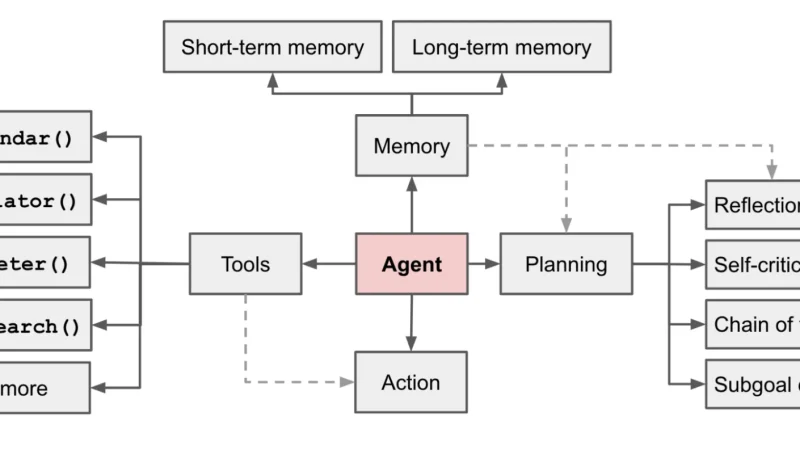
Agents that chain calls to models, tools and memory are hard to debug without instrumentation designed for them. After a long year running agents in production, I cover what to measure first, which standards are consolidating, and which costly mistakes are avoided by getting the traces right from the start.
After three years of expansion and an overheated ecosystem around the term, platform engineering enters 2025 in a consolidation phase. The internal platforms that survive are the ones that understood their real function; those that mistook the label for the solution are dismantling their teams or cutting them drastically.
Probar sistemas que incluyen modelos de lenguaje rompe la primera regla del testing: la misma entrada da la misma salida. Analizo las estrategias que han funcionado tras un año largo integrando IA en productos reales, por qué los tests deterministas tradicionales no bastan y cómo plantear un cinturón de pruebas que capture regresiones sin bloquearse en la varianza.
Four years ago it was an academic curiosity. Today, scheduling workloads by grid carbon intensity is a built-in option in Kubernetes, in several cloud provider services, and in CI tooling. We look at what genuinely changed and what is still more promise than practice.
Los equipos de producto están tentados de sustituir entrevistas y tests reales por síntesis de IA. Dos años de experiencia ya permiten separar dónde la IA ayuda de verdad y dónde genera una falsa sensación de entender al usuario.
OpenSSH added hybrid post-quantum key exchange with ML-KEM in version 9.9 and made it the default algorithm in 10.0. The question is no longer whether to migrate SSH to post-quantum, but how to do it without breaking old clients: enable the hybrid mode, keep a classical fallback, and verify with ssh -v that the active algorithm is the right one.
Casi nueve meses después del lanzamiento de Computer Use, algunos equipos lo han llevado a producción para tareas reales. Dónde funciona, dónde todavía no conviene, y qué patrones están emergiendo para que un agente que maneja ratón y teclado no acabe siendo más problema que solución.
AI agents are starting to earn a real place in continuous integration pipelines: reviewing diffs, proposing fixes, generating missing tests. Six months of real-world use to separate the patterns that work from the ones that end up costing more time than they save.
Continuous profiling with eBPF samples every process's execution stack every few milliseconds without touching the code, then stores the history so you can compare last week's performance with today's. The cost measured in production runs between 1% and 3% of CPU, and it pays off most in databases, API gateways and high-concurrency services.
Han pasado siete años desde que Google publicó el Workbook, y buena parte del libro no ha envejecido. Repaso los patrones que de verdad aplicamos en equipos pequeños y los que resultaron ser cultura de campus.
In AI systems the real cost is not EC2 instances but input tokens in RAG and agents, chained tool calls, and frequent reindexing; those vectors, plus unattributed experimental spend, concentrate most of the monthly production bill.
Un sistema RAG sin evaluación continua se degrada en silencio. Los índices cambian, los modelos se actualizan, los usuarios preguntan cosas nuevas. Este es un repaso práctico de qué métricas vigilar y cómo montar el cuadro de mando que avisa antes del incidente.
Después de años acumulando SBOMs, el cuello de botella es filtrar qué CVEs afectan de verdad. VEX aparece como la pieza que convierte el ruido en señal, y en 2025 empieza a tener adopción real en pipelines de supply chain.
AI agents have moved from a lab curiosity to serious SDKs from three major providers. A reflection on moving from the flashy demo to an internal use case that shifts a real, measurable metric.
Semgrep has grown into one of the most pragmatic static analyzers in the ecosystem. A look at why it works where other SAST tools fail, and how to fit it into a pipeline without turning it into noise.
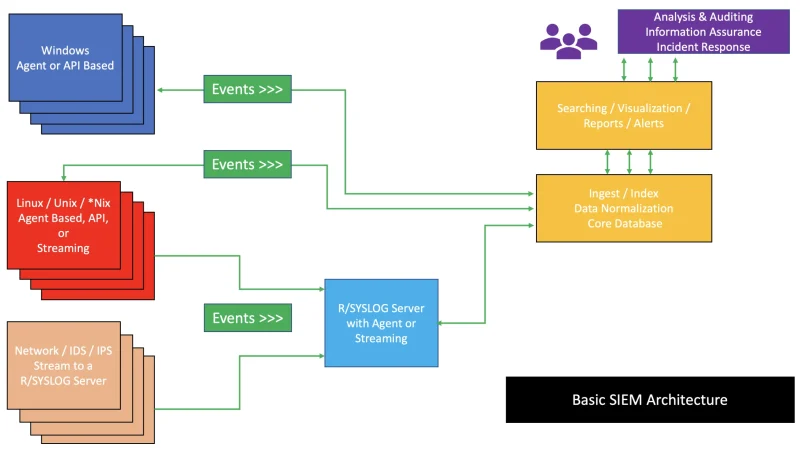
Two years after Zero Trust stopped being a marketing word, it is worth looking at how it connects with the SIEM teams run day to day. A look at useful signals, avoidable noise, and the decisions that actually change security posture.
Con las primeras obligaciones del AI Act europeo ya en vigor, la gobernanza de la IA en empresa deja de ser teórica. Qué comités montar, qué políticas escribir y qué auditar, desde la experiencia de varias implantaciones.
Dependabot and Renovate chase the same goal with different philosophies. I compare both after years running them on my own and client projects, covering when one fits better and when the other suits a team's workflow more.
A year ago open weights were a gamble; today they are a real production option. I review what has worked, what has not, and how Llama, DeepSeek, Qwen, and Mistral are fitting into enterprise architectures that used to depend on closed APIs.
Two years into living with AI assistants in the editor, habits have settled. A reflection on what has changed in day-to-day coding, what has been learned, and what was still left to discover.
Three years after RLHF became popular, the model-alignment field is far richer. A review of RLHF, DPO, and newer methods such as KTO and ORPO, with criteria for choosing between them.
5 min377
We use first- and third-party cookies to analyze site traffic. You can accept them, reject them, or configure your choice.
Learn more about cookies
Cookie preferences
NecessaryEssential for the site to work. Always on.
AnalyticsHelp us understand how the site is used (Google Analytics).