
Artificial Intelligence
EU AI Act 2026: a technical checklist for Spanish CTOs
On 2 August 2026 high-risk, transparency and Commission enforcement powers kick in. A per-system checklist with downloadable template.
Tag
On 2 August 2026 high-risk, transparency and Commission enforcement powers kick in. A per-system checklist with downloadable template.
Synthetic data has moved from a precarious substitute for real data to a central component of modern model training: the most reliable pattern expands a real core of 500 examples with thousands of synthetic paraphrases, provided you validate diversity, correctness, and distribution, and keep at least 30% real data to avoid model collapse.
While OpenAI and Anthropic dominate headlines with rounds worth hundreds of millions, a growing group of niche AI startups generates one to ten million dollars in revenue with teams of two to ten people. They share five patterns: narrow vertical focus, 70-80% margins, community distribution, iteration cycles in days, and AI as an internal lever.
After fourteen months testing AI-integrated DevOps tools across several teams, the stack that stays is small: Claude Code, Cursor, and Aider for code; PagerDuty AIOps, Datadog Bits AI, and Grafana Assistant for alert triage; and OpenTofu with OPA for infrastructure generation bounded by policy rules.
Humanoid robotics left the trade-show floor for factory floors and warehouses during 2025 and 2026. Which companies have really deployed units, which tasks fit, what real costs look like, and where humans remain unbeatable.
La Ley de IA europea iba a entrar en aplicación plena para sistemas de alto riesgo en agosto de 2026. El Digital Omnibus, aprobado por el Parlamento y el Consejo en junio de 2026, retrasa esa fecha 17 meses, hasta diciembre de 2027. Qué obligaciones rigen ya y qué cambia de verdad.
La factura de IA en las empresas ha dejado de ser anecdótica. Entre tokens de modelos frontera, GPUs reservadas que nadie usa y pipelines RAG con cachés mal configuradas, muchos equipos pagan diez veces lo que deberían. Guía de FinOps específico para IA sin relatos promocionales.
Sixteen months after Anthropic first shipped computer use, with browser-use, OpenAI Operator and Gemini Computer Use all pushing in parallel, agents that drive the browser and desktop have moved from demo to real workflows. Time to review which patterns survive when you run them daily in production.
Los cuadros de mando con IA llevan un par de años prometiendo detección de anomalías mágica y causa raíz automática. La realidad es más modesta pero también más útil, si se sabe separar el ruido del valor real. Repaso honesto de qué funciona y qué no.
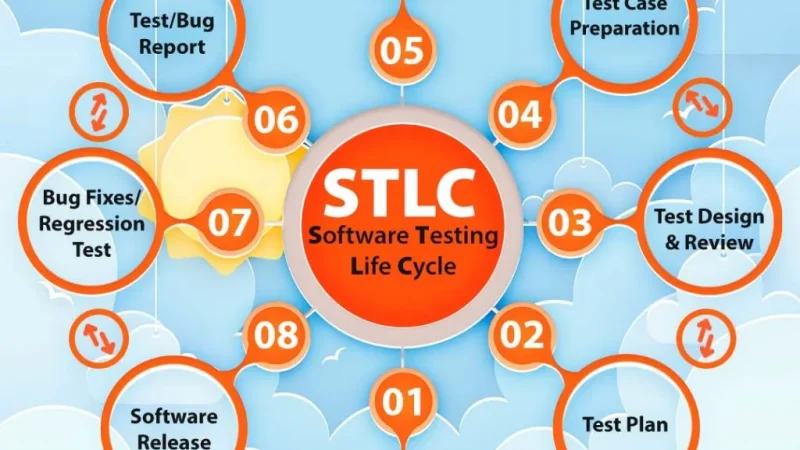
Probar sistemas que incluyen modelos de lenguaje rompe la primera regla del testing: la misma entrada da la misma salida. Analizo las estrategias que han funcionado tras un año largo integrando IA en productos reales, por qué los tests deterministas tradicionales no bastan y cómo plantear un cinturón de pruebas que capture regresiones sin bloquearse en la varianza.
Redis 8.2 ships vector search as a native data type. The real question is whether it replaces a dedicated engine like Qdrant, Weaviate, or pgvector on workloads with millions of vectors and tight latency budgets, or only works as a bonus on top of the cache you already run.
Google publicó Gemini 2.5 Pro en vista previa en marzo y la versión general llegó en junio. El salto respecto a Gemini 2.0 no está solo en puntuaciones sino en dos frentes prácticos: ventana de contexto utilizable en serio y multimodalidad que deja de ser demostración para convertirse en herramienta.
Anthropic presentó Claude Opus 4 y Claude Sonnet 4 el 22 de mayo de 2025, el primer salto grande de nomenclatura desde la serie 3.5. Un mes de uso real en código, documentación técnica y agentes para separar lo que ha mejorado de lo que sigue igual.
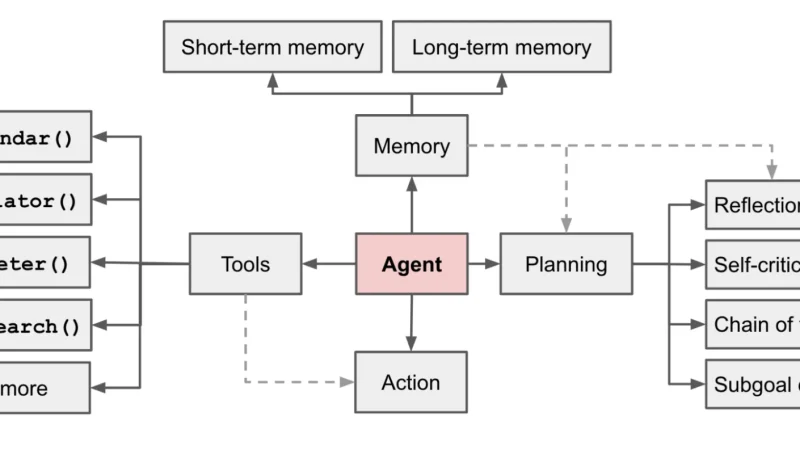
AI agents have moved from a lab curiosity to serious SDKs from three major providers. A reflection on moving from the flashy demo to an internal use case that shifts a real, measurable metric.
The AI features Figma has rolled out since Config 2024 are changing how product design teams work. A look at what each feature delivers, what remains human work, and which habits are taking hold across teams.
Con las primeras obligaciones del AI Act europeo ya en vigor, la gobernanza de la IA en empresa deja de ser teórica. Qué comités montar, qué políticas escribir y qué auditar, desde la experiencia de varias implantaciones.
Anthropic publicó Claude 3.7 Sonnet a finales de febrero con pensamiento extendido opcional y un compañero de consola llamado Claude Code. Reflexión sobre qué cambia de verdad y qué queda para la próxima familia.
A year ago open weights were a gamble; today they are a real production option. I review what has worked, what has not, and how Llama, DeepSeek, Qwen, and Mistral are fitting into enterprise architectures that used to depend on closed APIs.
Two years into living with AI assistants in the editor, habits have settled. A reflection on what has changed in day-to-day coding, what has been learned, and what was still left to discover.
o3-mini, the first public release of OpenAI's o3 reasoning series, clearly improves logic, math, and complex code over GPT-4o, though it answers slower and still hallucinates facts. This analysis, based on weeks of real use, explains where it pays off and where it does not.
Google ha lanzado Gemini 2.0 con un énfasis claro en uso de herramientas y agentes. Repaso de qué aporta, dónde está por detrás de la competencia y en qué tipo de aplicaciones encaja mejor.
Two years running AI-assisted code review in a real team leave a clear balance: AI catches mechanical oversights well and writes useful pull-request summaries, but it struggles with architectural judgment and produces many false positives on subtle bugs. The single decision that helped the most was not blocking merges on its automated comments.
A text embedding is a numeric vector that encodes the meaning of a word or phrase, so that semantically similar pieces of text produce nearby vectors measured by cosine distance. The models most used in production are OpenAI ada-002, Sentence Transformers, and BGE, and they mainly serve semantic search, RAG systems, and text classification without training a classic classifier.