Tools
Figma: Collaborative Prototyping for Product Teams
Cómo Figma pasó de ser una herramienta de diseño a convertirse en el lenguaje común entre diseño, producto e ingeniería.
Category
Honest software development: code that lasts and stays with you.
Cómo Figma pasó de ser una herramienta de diseño a convertirse en el lenguaje común entre diseño, producto e ingeniería.
Pixie uses eBPF to automatically instrument Kubernetes clusters without modifying application code. A per-node agent captures HTTP, gRPC, SQL, and Redis traffic at the kernel level, exposing service maps, CPU profiles, and SQL traces within minutes. It complements Prometheus for reactive diagnosis with no sidecars or redeploys.
OpenAI Code Interpreter extends ChatGPT Plus with an isolated Python sandbox: it runs code on demand, reads files you upload (CSV, Excel, PDF, images, ZIPs) and returns results plus charts within the same chat. Sessions are ephemeral and offline, but remarkably effective for exploratory ad-hoc analysis without spinning up a notebook.
A practical guide for development teams who need to meet WCAG 2.1 without turning accessibility into an endless project. Three layers, a set of proven tools, and 2-3 months of disciplined work are enough for most teams.
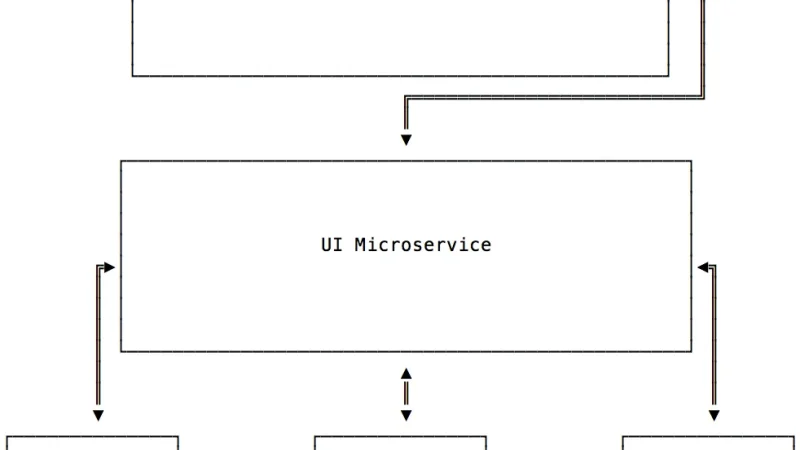
Migrating from monolith to microservices means splitting a single system into independent services that deploy and scale on their own. It gains granular scalability and team autonomy, but adds real operational complexity: stable interfaces, Kubernetes orchestration, and a mature DevOps culture are conditions, not optional extras, for the migration to pay off.
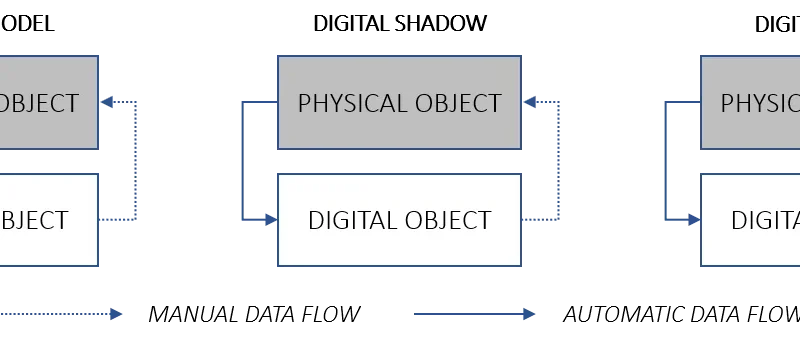
The customer digital twin is a dynamic virtual representation of a real user, built from behavioural data, preferences, and interactions and updated in real time. Unlike a static CRM profile, it anticipates needs, personalises experiences at scale, and supports proactive decisions about each customer relationship.
Choose modular architecture when your team has fewer than ten people and ships the system as a single unit; choose microservices when separate teams need to deploy independently or when specific components require very different scaling, in exchange for higher operational complexity.
The words in an application are not decoration: they determine whether the user completes the task or abandons it in frustration. Good UX writing demands clarity above all, consistent vocabulary across the interface, tone matched to the audience, and error messages that explain what failed and how to fix it, not just that something went wrong.