The idea of UI generated on the fly instead of pre-built reached production in 2025. After a year of real-world use, the balance is more nuanced than the initial enthusiasm suggested.
Los equipos de producto están tentados de sustituir entrevistas y tests reales por síntesis de IA. Dos años de experiencia ya permiten separar dónde la IA ayuda de verdad y dónde genera una falsa sensación de entender al usuario.
Astro renders static HTML by default and only ships JavaScript for the interactive islands that actually need it. On blogs, docs and content sites, the bundle drops from 100-200 KB to roughly 5-10 KB versus Next.js SSG or Gatsby. It is the wrong choice for SaaS dashboards or apps with state shared across routes.
WCAG 2.2 (W3C, October 5, 2023) adds 9 criteria to WCAG 2.1: Target Size requires clickable targets of at least 24 by 24 pixels, and Accessible Authentication bans logins that require memorising complex passwords without an alternative. Upgrading from 2.1 AA typically takes 1 to 2 sprints for a medium-size product.
La EAA entra en vigor en junio de 2025 y afecta a más productos de los que parece. Qué cambia, quién está obligado y cómo planificar con margen suficiente.
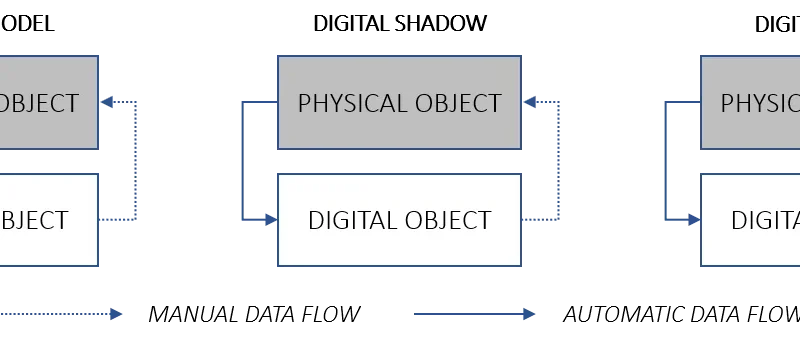
The customer digital twin is a dynamic virtual representation of a real user, built from behavioural data, preferences, and interactions and updated in real time. Unlike a static CRM profile, it anticipates needs, personalises experiences at scale, and supports proactive decisions about each customer relationship.
The words in an application are not decoration: they determine whether the user completes the task or abandons it in frustration. Good UX writing demands clarity above all, consistent vocabulary across the interface, tone matched to the audience, and error messages that explain what failed and how to fix it, not just that something went wrong.
5 min204
We use first- and third-party cookies to analyze site traffic. You can accept them, reject them, or configure your choice.
Learn more about cookies
Cookie preferences
NecessaryEssential for the site to work. Always on.
AnalyticsHelp us understand how the site is used (Google Analytics).