Industrial ‘As a Service’: Models That Work

Table of contents
- Key takeaways
- The existing models
- Equipment-as-a-Service (EaaS)
- Outcome-based pricing
- Maintenance-as-a-Service
- What working models have in common
- Technical requirements to enable it
- Cases with numbers
- Where the model fails
- Transition: how to start
- Risks worth watching
- Conclusion
- Frequently asked questions
- What does an industrial manufacturer need so its as-a-service model does not stay in marketing?
- How long does the transition from traditional equipment sales to as-a-service take?
- Why do industrial as-a-service attempts fail?
- Sources
The ‘as-a-service’ model is spreading from software into industry: Rolls-Royce with ‘power by the hour’, Philips with ‘light as a service’, Caterpillar with flexible rental. Large manufacturers convert equipment sales into outcome sales. You don’t sell a turbine; you sell generation hours with SLA.
For the buyer: less capex, less risk. For the seller: recurring revenue and deeper customer relationship.
Key takeaways
-
The five shared ingredients of working models are: deep telemetry, clear SLAs, structured financial model, aligned incentives, and risk assumed with skin in the game.
-
Equipment-as-a-Service (EaaS), outcome-based pricing, and Maintenance-as-a-Service are the three variants with proven traction.
-
Without real telemetry, the model stays in marketing. The manufacturer can’t manage what they can’t measure.
-
Transition from traditional sales takes one to five years; starting with one pilot product and two or three early adopter customers is the pragmatic strategy.
-
OT cybersecurity of the connected asset is the technical dependency manufacturers underestimate most.
The existing models
Equipment-as-a-Service (EaaS)
The customer rents equipment per use or time; manufacturer retains ownership and includes maintenance.
-
Aerospace: Rolls-Royce ‘Power by the Hour’, pay per flight hour, they maintain.
-
Chemical plants: cooling, compressed air, steam ‘as a service’.
-
Manufacturing: CNC, industrial robots per use.
-
Construction: Kubota, Caterpillar flexible rental.
Outcome-based pricing
The customer pays for result, not product:
-
Lighting: Philips charges per ‘lux × hour’ delivered.
-
Water: wastewater treatment, pay per m³ treated.
-
Agriculture: yield per hectare with seed + fertiliser + services.
-
Logistics: charge per moved unit, not per vehicle.
Maintenance-as-a-Service
Contract guaranteeing uptime in exchange for fee:
-
Wind turbines: Siemens Gamesa, Vestas with LTSA (Long-Term Service Agreement).
-
Elevators: Otis, Kone, Schindler with guaranteed uptime.
-
Industrial machinery: upgrades, parts, and proactive operation included.
What working models have in common
Five shared patterns:
-
Deep telemetry: manufacturer receives asset data 24/7 to know real state.
-
Clear SLAs: what counts as ‘delivered’, with measurable metrics.
-
Structured financial model: who pays capex, how profits split.
-
Aligned incentives: manufacturer wants the asset to work well, not fail.
-
Risk assumed with skin in the game: not ‘I assure it’ll work’, but ‘I pay consequences if not’.
Without all five, as-a-service stays marketing. The most technical item on this list is telemetry, which depends on reliable industrial connectivity, exactly where private 5G networks in the plant deliver real value.
Technical requirements to enable it
To make the model work:
-
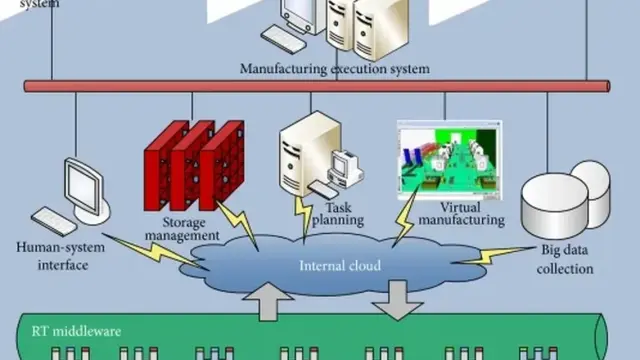
Advanced IIoT: sensors, reliable connectivity, cloud.
-
Digital twins of the installed asset. See also digital twins in industry.
-
Predictive maintenance with ML over history.
-
Field service management for quick interventions.
-
Usage-based pricing and billing platform.
-
OT security: the connected asset is an attack vector.
‘As-a-service’ is impossible without substantial prior digital investment.
Cases with numbers
-
Rolls-Royce: in 2023, flying-hour revenue invoiced under Civil Aerospace’s LTSA (Long-Term Service Agreement) contracts reached £4.6bn, up 28% on 2022, per its full-year results[1].
-
Philips: the ‘Light as a Service’ contract with Schiphol Airport, running since 2015, cuts lighting electricity consumption by 50% versus the previous conventional installation, per Signify’s release[2].
-
ABB: launched ABB Ability in 2017[3], bundling more than 180 digital solutions and services under one commercial umbrella.
-
Hilti: its Fleet Management programme passed 3 million tools under contract and 131,000 cumulative customers by 2021, per its annual report[4].
-
Schneider Electric: EcoStruxure as a recurring-growth engine.
Across these five cases, the upfront investment pays back over the first or second contract cycle, not year one: the manufacturer’s balance sheet has to absorb that lag.
Where the model fails
Lessons from unsuccessful attempts:
-
Without real telemetry: manufacturer doesn’t know if asset is used per contract.
-
Impossible SLAs: committing to 99.99% uptime when reality is 98%.
-
Customer who doesn’t want the model: some prefer full control by buying.
-
Poor financing model: manufacturer lacks balance to carry capex.
-
Traditional sales mindset: sales team keeps selling units, not services.
Transition: how to start
Pragmatic runbook:
-
One pilot product, not the whole line.
-
Two or three early adopter customers willing to experiment.
-
Full instrumentation: sensors, data pipeline, operational dashboards.
-
Detailed financial model: honest unit economics, usage scenarios.
-
Dedicated operations team understanding service, not just manufacturing.
-
Iterate: first contract will have issues. Learn without breaking the relationship.
Typical timeline: one year from pilot to a second customer; five years to become the dominant model.
Risks worth watching
-
Critical cybersecurity: the connected asset is a door into the manufacturer.
-
Complicated compliance: who is liable when something goes wrong.
-
Technology dependence: if the manufacturer goes under, your plant can stall.
-
Cultural resistance: traditional procurement departments do not always accept growing opex.
Conclusion
The as-a-service model in industry is real and growing, but not universal. Working cases share ingredients: deep telemetry, honest SLAs, aligned incentives, solid financing. For industrial manufacturers, transition represents a fundamental business change, not just a technological one.
Long-term benefits justify investment, but execution is where most fail: starting small, with a product and customers wanting the model, is the pragmatic path. It is the same principle that guides adoption of any transformative technology, from Industry 4.0 and the digital thread to digital twins in energy.
Frequently asked questions
What does an industrial manufacturer need so its as-a-service model does not stay in marketing?
The models that work share five ingredients: deep telemetry from the asset 24/7 and clear SLAs with measurable metrics for what counts as delivered. The third is a structured financial model defining who pays capex and how profits split. The last two are aligned incentives, so the manufacturer wants the asset to work well, and risk assumed with skin in the game. Without real telemetry the manufacturer cannot manage what it cannot measure, and without prior digital investment in IIoT, digital twins, and predictive maintenance the model is impossible.
How long does the transition from traditional equipment sales to as-a-service take?
One to five years: the typical timeline is one year from pilot to a second customer and five years to become the dominant model. The pragmatic runbook starts with one pilot product and two or three early adopter customers willing to experiment. Add full instrumentation, a detailed financial model with honest unit economics, and a dedicated operations team that understands service. The upfront investment pays back over the first or second contract cycle, not year one.
Why do industrial as-a-service attempts fail?
For five recurring reasons: the first is no real telemetry, so the manufacturer does not know whether the asset is used per contract. The second is impossible SLAs, such as committing to 99.99% uptime when reality is 98%. Two more are customers who prefer full control by buying, and a poor financing model, with no balance sheet to carry the capex. The fifth is a sales team that keeps selling units instead of services; oT cybersecurity of the connected asset is also the technical dependency manufacturers underestimate most.