Rust entered the Linux kernel as an experiment in 2022. Three years on it has stable in-tree drivers, an increasingly polished internal API, and a first wave of contributors who treat the language as the default choice for new code.
Headscale es una reimplementación libre del plano de control de Tailscale. Con la versión 0.25 estable, es una opción sensata para mallas WireGuard privadas sin depender de la plataforma comercial. Cuento cómo, cuándo y dónde duele.
NIS2 entered force on 17 October 2024. Six months later, companies are in the trenches. I cover what has actually changed in operational security, what was paper theater, and where the directive still bites.
Cuando un LLM pasa de contestar texto a ejecutar herramientas, la superficie de ataque cambia de categoría. La inyección de prompts, la contaminación de memoria y el abuso de protocolos entre agentes son el nuevo OWASP Top 10.
Valkey 8.1 salió el 31 de marzo y marca el momento en que la alternativa comunitaria de Redis deja de ser experimento. Cuenta una migración real: qué cambió, qué se mantuvo igual, y dónde hubo sobresaltos.
Kubernetes 1.33 (Octarine) lands April 23. In-place pod resize moves to beta and ships on by default, sidecar containers finally reach GA, and several endpoint and security deprecations arrive that operators should review before upgrading from 1.32.
Después de años acumulando SBOMs, el cuello de botella es filtrar qué CVEs afectan de verdad. VEX aparece como la pieza que convierte el ruido en señal, y en 2025 empieza a tener adopción real en pipelines de supply chain.
Semgrep has grown into one of the most pragmatic static analyzers in the ecosystem. A look at why it works where other SAST tools fail, and how to fit it into a pipeline without turning it into noise.
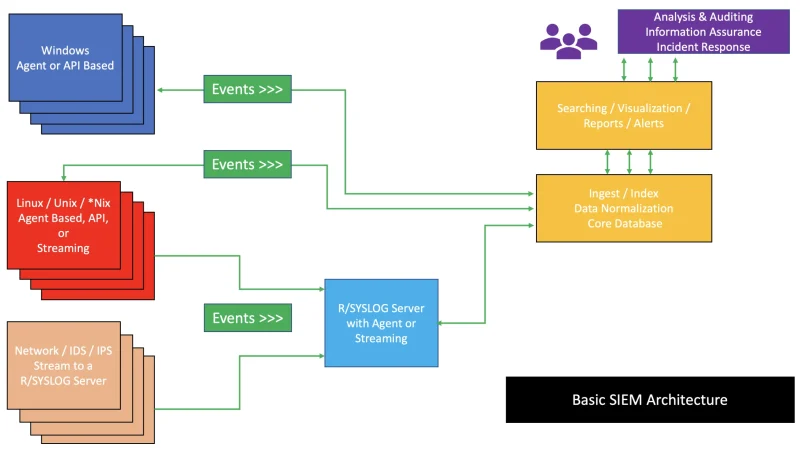
Two years after Zero Trust stopped being a marketing word, it is worth looking at how it connects with the SIEM teams run day to day. A look at useful signals, avoidable noise, and the decisions that actually change security posture.
CodeQL lleva años siendo el motor de análisis estático de GitHub, pero su alcance real no siempre está claro. Balance de qué detecta bien, qué se le escapa y cómo conviene integrarlo en el flujo de revisión.
Nebula es una VPN peer-to-peer liberada por Slack en 2019 que ha ido madurando sin mucho ruido. Explico cómo funciona, cuándo tiene sentido frente a WireGuard o Tailscale, y qué aprendí desplegándola entre varios nodos.
Deno 2.0 salió en octubre de 2024 con una apuesta clara: compatibilidad seria con npm, pnpm, package.json y node_modules, manteniendo la identidad del runtime. Medio año después, miramos qué ha supuesto para proyectos reales y dónde sigue cojeando.
NIST published the final post-quantum cryptography standards in August 2024. Six months on, it is time to move from headline to plan: crypto inventory, crypto-agility, a realistic timeline, and the typical mistakes of teams jumping in now.
WASI 0.3, also known as preview 3, was ratified on June 11, 2026, adding native asynchronous concurrency to the WebAssembly component model through streams, futures, and async functions. It fixes old fragmentation across languages and runtimes, enables real composition between Wasm services, and paves the way for cooperative threads planned in upcoming 0.3.x releases.
Meta publicó Llama 3.2 con modelos tan pequeños como 1B y 3B, pensados específicamente para ejecutarse en dispositivos. Análisis de qué pueden hacer realmente y cómo se comparan con las alternativas.
Cloudflare Workers turned eight in 2025 without slowing down: it now ships D1 for databases, R2 for egress-free storage, Durable Objects for distributed state, and Workers AI for running models without managing GPUs. It remains the fastest option for edge logic; for large in-memory processes or strict global consistency, other platforms fit better.
Qualcomm, Intel and AMD Copilot+ processors have normalised the presence of an NPU in everyday PCs. A 40 TOPS NPU can run quantised Phi-3 Mini drawing just 5-10 W, versus 40-50 W for a laptop GPU doing the same task. What actually changes for running AI models locally, and when it is worth it.
5 min2244.5
We use first- and third-party cookies to analyze site traffic. You can accept them, reject them, or configure your choice.
Learn more about cookies
Cookie preferences
NecessaryEssential for the site to work. Always on.
AnalyticsHelp us understand how the site is used (Google Analytics).