Dokku lleva más de una década como el PaaS mínimo de código abierto preferido por quien quiere la experiencia Heroku sin la factura. En 2025, con Heroku renaciendo bajo Salesforce y con Kubernetes dominando, sigue ocupando un nicho sorprendentemente saludable.
Fly.io has spent years selling the idea that deploying an application across several regions should be almost as simple as pushing an image and writing one config line. After several real projects on the platform, here is an honest read on what it delivers, what is missing, and who it is worth choosing over more classic options.
n8n is the low-code automation project that has best adapted to self-hosting. A walk through the real install with Docker Compose, the database and queue decisions to make, and the points where most people trip up the first time.
Railway and Render have spent years filling the gap between Vercel and AWS. By the fall of 2025 their offering has matured enough for a seasoned assessment: where they beat Heroku, where they fall short of Fly, and what happens when a bill grows.
Spotify announced Backstage Plus, its own commercial offering built on top of the open Backstage project. The result is a de facto fork that raises uncomfortable questions about governance of company-donated CNCF projects. A look at the practical implications and what teams already running Backstage in production can do.
Dokploy has become the most talked-about free alternative to Vercel and Render. It promises Docker Swarm simplicity without the weight of Kubernetes or dependence on a single vendor. We look at where it delivers and where the promise breaks down.
WireGuard is simple over a single link, but hand-building a multi-node mesh quickly turns into a tangle of keys and routes. Patterns that work, when pure WireGuard earns its keep, and when it is worth leaning on Tailscale or Headscale instead.
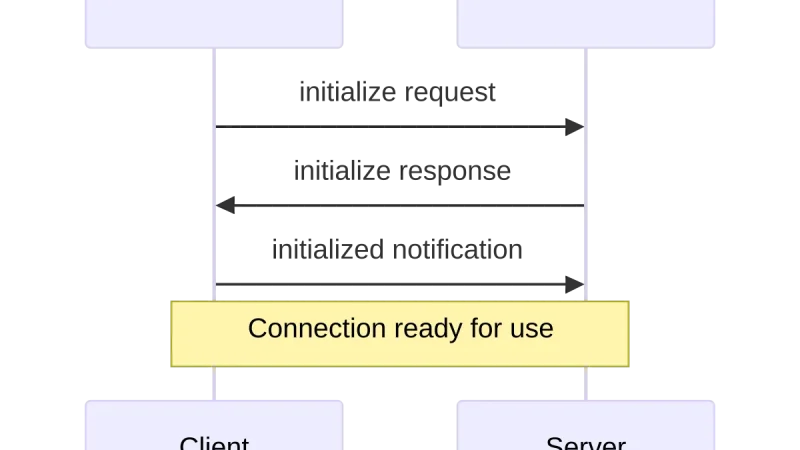
Los editores de código han empezado a incorporar MCP como cliente nativo: VS Code, Zed, Cursor y varios forks de Neovim. Esto cambia la forma en que el agente accede al contexto del proyecto y abre preguntas prácticas sobre qué servidores activar y cómo configurarlos sin abrir puertas.
Polars lleva dos años pidiendo relevo a pandas. Con Polars 1.x estable y una comunidad creciente, toca revisar dónde de verdad compensa migrar, dónde pandas sigue ganando y cómo convivir entre ambos sin pagar dos veces.
Seis meses después de que MCP se volviera el protocolo común de integración de agentes, el catálogo comunitario supera el millar de servidores. Repaso cuáles uso a diario, cuáles son ruido y cómo separarlos sin caer en la trampa de la novedad.
Dependabot and Renovate chase the same goal with different philosophies. I compare both after years running them on my own and client projects, covering when one fits better and when the other suits a team's workflow more.
Coolify delivers a Vercel- or Heroku-like experience on your own servers: automatic HTTPS, managed databases, and branch previews without per-build or bandwidth fees. After several months using it on production VPS, here is where it shines, where it still has rough edges, and which teams will genuinely benefit from it.
A home lab is a self-hosted services lab, at home or on a VPS, where you practice real system administration: reverse proxy, centralized authentication, monitoring with Prometheus and Grafana, and backups verified with Restic. A second-hand mini PC with 16 GB of RAM is enough for thirty or forty containers, and what you learn transfers directly to professional work.
Two years running AI-assisted code review in a real team leave a clear balance: AI catches mechanical oversights well and writes useful pull-request summaries, but it struggles with architectural judgment and produces many false positives on subtle bugs. The single decision that helped the most was not blocking merges on its automated comments.
Generics arrived in Go in March 2022 with high expectations and some skepticism. Three years on, idiomatic code barely uses them on the surface, but they have transformed deep libraries: type-safe collections, database clients, concurrency primitives. This analysis examines what has taken hold and why.
5 min1924.5
We use first- and third-party cookies to analyze site traffic. You can accept them, reject them, or configure your choice.
Learn more about cookies
Cookie preferences
NecessaryEssential for the site to work. Always on.
AnalyticsHelp us understand how the site is used (Google Analytics).