gVisor interpone un kernel en espacio de usuario entre el contenedor y el anfitrión. Después de años en producción en Google y adopción creciente en plataformas serverless, merece una lectura honesta sobre cuándo compensa frente a microVMs y runtimes clásicos.
After years of promising an open lakehouse, Apache Iceberg with REST catalogs plus dbt on top has jelled in 2025 into the reference stack. I break down what it solves, where it still hurts, and why the clean split between table, engine and transformation matters more than it looks.
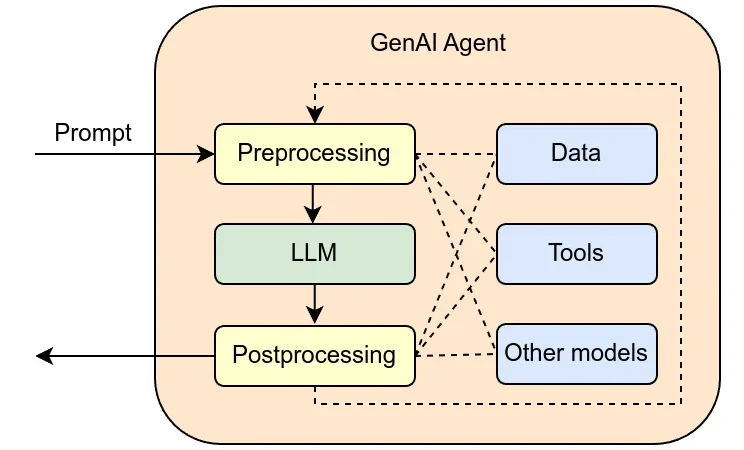
The term Agent OS has spent a year gaining traction across research and product circles. It describes a layer that goes well beyond an agent library: request scheduling, context management, persistent memory, and isolation. A look at the real state of that concept.
Wolfi turned three as a public project and has become the base for Chainguard container images and much of the industry chasing clean software supply chains. A field-tested review of what it offers against Alpine and Debian slim.
Kata Containers has spent years promising VM-grade container isolation without giving up Docker ergonomics. With the 3.x series now mature under the OpenInfra Foundation, the technical story finally holds together and there is a clear niche where adopting it pays off.
Accessibility overlays were sold as a magic fix for WCAG and the European EAA directive in one step. In 2025 lawsuits against them have grown and disabled users are speaking out more critically than ever. A look at why they fail and what to do instead.
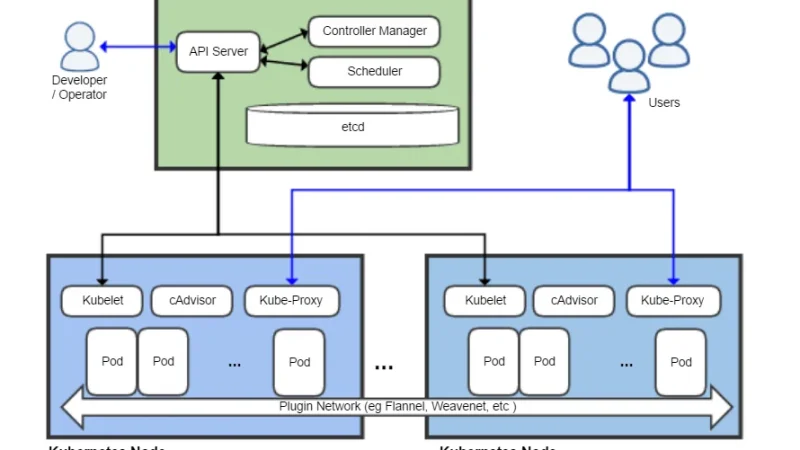
Kubernetes 1.34 ships with Dynamic Resource Allocation (DRA) graduating to stable, scheduler improvements, and CEL-based mutating admission policies that replace webhooks. A practical rundown of what is safe to upgrade now, what can wait, and what actually changes for teams running production clusters.
Redis 8.2 ships vector search as a native data type. The real question is whether it replaces a dedicated engine like Qdrant, Weaviate, or pgvector on workloads with millions of vectors and tight latency budgets, or only works as a bonus on top of the cache you already run.
Open table formats over data lakes have moved from curiosity to backbone of many analytics architectures. Delta Lake 4.0 and Apache Iceberg 1.9 are the two with the most weight in 2025. We review where each one stands and which criteria make sense when choosing between them.
Kubernetes 1.32 Penelope shipped in December and has been running in clusters for several months. It is a good time to look at which changes have aged well, which created extra work, and what lessons to carry into the jump to 1.33.
Rust entered the Linux kernel as an experiment in 2022. Three years on it has stable in-tree drivers, an increasingly polished internal API, and a first wave of contributors who treat the language as the default choice for new code.
Valkey 8.1 salió el 31 de marzo y marca el momento en que la alternativa comunitaria de Redis deja de ser experimento. Cuenta una migración real: qué cambió, qué se mantuvo igual, y dónde hubo sobresaltos.
Rust Edition 2024 became stable on February 20, 2025 alongside Rust 1.85. Seven weeks later, the changes that actually matter for daily work are three: more granular variable capture in closures and Return Position Impl Trait, an expanded prelude with Future and AsyncFn, and unsafe now mandatory in extern blocks.
Desde que Microsoft abrió GraphRAG, el patrón de usar grafos sobre tus propios datos ha pasado de experimento académico a técnica con aplicaciones prácticas. Reflexión sobre cuándo compensa, cómo se monta y qué errores se repiten.
Full-stack TypeScript with Next.js and tRPC removes type duplication between frontend and backend, but it is not a universal answer: Node still falls short on CPU-bound loads, testing remains fragmented, and large projects eventually split apart. It is the best fit for small-to-medium products with agile teams, not for sustained high-performance systems.
4 min2134.5
We use first- and third-party cookies to analyze site traffic. You can accept them, reject them, or configure your choice.
Learn more about cookies
Cookie preferences
NecessaryEssential for the site to work. Always on.
AnalyticsHelp us understand how the site is used (Google Analytics).