With MCP solving the agent-to-tool layer, a parallel problem surfaces: how do two agents from different vendors communicate with each other. Google's Agent2Agent protocol, donated to the Linux Foundation in June 2025, tries to fill that gap with an open standard.
gVisor interpone un kernel en espacio de usuario entre el contenedor y el anfitrión. Después de años en producción en Google y adopción creciente en plataformas serverless, merece una lectura honesta sobre cuándo compensa frente a microVMs y runtimes clásicos.
A caching proxy in front of a language model can cut the token bill significantly, but it introduces subtle risks if the design is not careful. Which cache types work in production, where the usual traps sit, and how to add them without degrading the experience.
Un enrutador de inferencia decide qué modelo atiende cada petición en función de coste, latencia y complejidad. Bien diseñados reducen la factura de tokens sin que el usuario perciba degradación; mal diseñados introducen fallos sutiles difíciles de depurar.
TigerBeetle is a distributed database written in Zig, specialized in one specific kind of workload: high-volume double-entry accounting with strong consistency guarantees. It does not aim to replace Postgres; it aims to be the right tool when the problem is counting financial transactions at millions per second without subtle failures.
After three years of expansion and an overheated ecosystem around the term, platform engineering enters 2025 in a consolidation phase. The internal platforms that survive are the ones that understood their real function; those that mistook the label for the solution are dismantling their teams or cutting them drastically.
Tras la adquisición por Microsoft en 2019, Citus vivió un limbo comercial que terminó con Microsoft abriendo el código completo en 2022. Tres años después, la extensión de particionado para Postgres ha madurado y ofrece una ruta práctica para escalar sin abandonar el motor que ya conoces. Un repaso honesto.
SQLite lleva años ganando terreno en servidores reales gracias a WAL, a proyectos como Litestream y libSQL, y a hardware con discos rápidos. Repaso los patrones que siguen funcionando después de varios años de uso, los que no, y por qué el tamaño medio de una aplicación web se come ya sin despeinarse.
After years of promising an open lakehouse, Apache Iceberg with REST catalogs plus dbt on top has jelled in 2025 into the reference stack. I break down what it solves, where it still hurts, and why the clean split between table, engine and transformation matters more than it looks.
DuckDB has spent two or three years quietly working its way into data architectures. It is no longer just the embedded database for local analytics: in 2025 it keeps turning up in concrete enterprise cases where it replaces far pricier pieces. A tour of the real patterns.
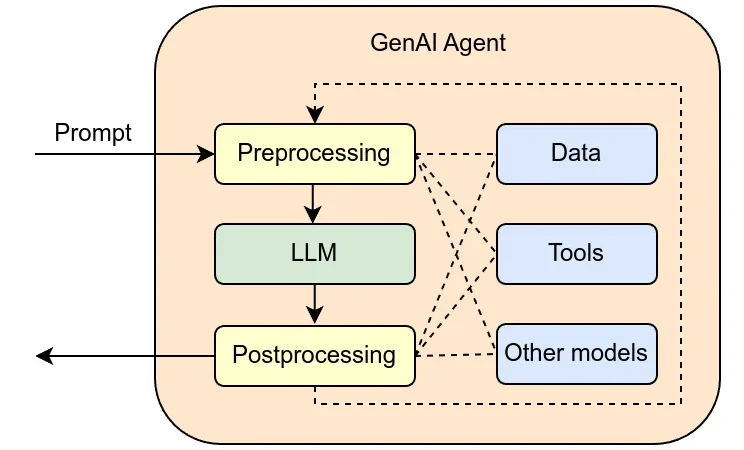
The term Agent OS has spent a year gaining traction across research and product circles. It describes a layer that goes well beyond an agent library: request scheduling, context management, persistent memory, and isolation. A look at the real state of that concept.
Wolfi turned three as a public project and has become the base for Chainguard container images and much of the industry chasing clean software supply chains. A field-tested review of what it offers against Alpine and Debian slim.
Kata Containers has spent years promising VM-grade container isolation without giving up Docker ergonomics. With the 3.x series now mature under the OpenInfra Foundation, the technical story finally holds together and there is a clear niche where adopting it pays off.
Model Context Protocol turns ten months old since Anthropic's announcement, and it is no longer just a proposal: hundreds of servers, cross-vendor implementations and a public registry now back it. A look at what has worked, what is still weak, and why 2025 marks the shift from curiosity to basic infrastructure.
Distributed SQL databases have moved from promise to production reality. YugabyteDB and CockroachDB lead the segment from different angles. Choosing between them demands understanding what each design compromises and what horizontal scaling costs in practice.
Redpanda promises Kafka-protocol compatibility without the JVM, without ZooKeeper, and with a thread-per-core architecture. By 2025 there are already serious production deployments. It is worth understanding where the switch pays off and where it does not.
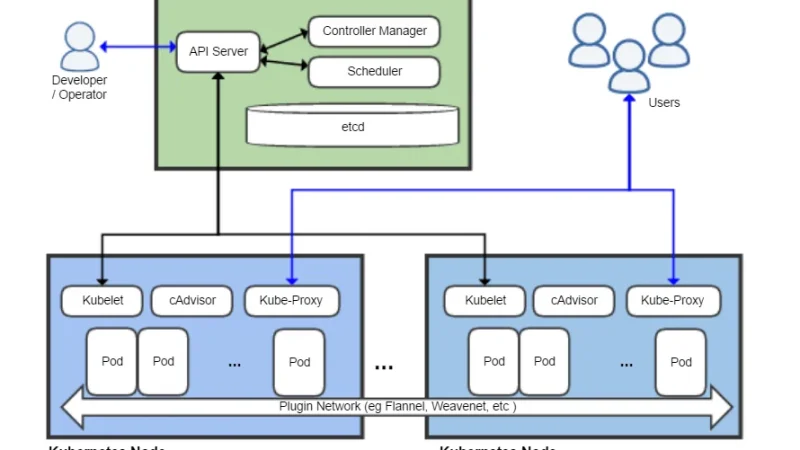
Kubernetes 1.34 ships with Dynamic Resource Allocation (DRA) graduating to stable, scheduler improvements, and CEL-based mutating admission policies that replace webhooks. A practical rundown of what is safe to upgrade now, what can wait, and what actually changes for teams running production clusters.
Redis 8.2 ships vector search as a native data type. The real question is whether it replaces a dedicated engine like Qdrant, Weaviate, or pgvector on workloads with millions of vectors and tight latency budgets, or only works as a bonus on top of the cache you already run.
Kafka 4.0 llegó en marzo con la promesa cumplida: el clúster se autoadministra sin ZooKeeper. Después de meses operando clústeres KRaft y de la migración obligada, qué cambia de verdad, dónde duelen las diferencias y qué hay que saber antes de migrar.
Open table formats over data lakes have moved from curiosity to backbone of many analytics architectures. Delta Lake 4.0 and Apache Iceberg 1.9 are the two with the most weight in 2025. We review where each one stands and which criteria make sense when choosing between them.
Six months after containerd 2.0 reached general availability there is enough real-world mileage to judge the migration from the 1.x branch in production. We cover what changes in the config file, what breaks on Kubernetes and Docker Swarm, and when planning the jump actually pays off.
Firecracker is the Rust-based virtual machine monitor AWS uses in Lambda and Fargate: it boots microVMs in under 125 milliseconds with under 5 MB of overhead. Switching from containers pays off when a shared kernel does not give enough isolation, especially for untrusted LLM agent code, and versus gVisor it wins on I/O performance.
Kubernetes 1.32 Penelope shipped in December and has been running in clusters for several months. It is a good time to look at which changes have aged well, which created extra work, and what lessons to carry into the jump to 1.33.
PostgreSQL 17 llegó en septiembre con mejoras silenciosas del planificador. Seis meses en producción confirman que los escaneos SAOP, el streaming I/O y los anti-joins han cambiado planes de consulta reales sin tocar una línea de SQL.
Valkey 8.1 salió el 31 de marzo y marca el momento en que la alternativa comunitaria de Redis deja de ser experimento. Cuenta una migración real: qué cambió, qué se mantuvo igual, y dónde hubo sobresaltos.
Kubernetes 1.33 (Octarine) lands April 23. In-place pod resize moves to beta and ships on by default, sidecar containers finally reach GA, and several endpoint and security deprecations arrive that operators should review before upgrading from 1.32.
Desde que Microsoft abrió GraphRAG, el patrón de usar grafos sobre tus propios datos ha pasado de experimento académico a técnica con aplicaciones prácticas. Reflexión sobre cuándo compensa, cómo se monta y qué errores se repiten.
Coolify delivers a Vercel- or Heroku-like experience on your own servers: automatic HTTPS, managed databases, and branch previews without per-build or bandwidth fees. After several months using it on production VPS, here is where it shines, where it still has rough edges, and which teams will genuinely benefit from it.
GraphRAG has been in real enterprise use for over a year: during indexing, an LLM builds a knowledge graph that answers global questions about a corpus well, precisely where classic RAG fails because no single chunk holds the full answer. Here I compare indexing costs, the cases where it pays off, and the hybrid pattern that teams have settled on.
Cloudflare Workers turned eight in 2025 without slowing down: it now ships D1 for databases, R2 for egress-free storage, Durable Objects for distributed state, and Workers AI for running models without managing GPUs. It remains the fastest option for edge logic; for large in-memory processes or strict global consistency, other platforms fit better.
JuiceFS is a distributed, POSIX-compliant file system that separates data, stored in an S3-compatible object store, from metadata, stored in a database such as PostgreSQL or Redis. This guide installs JuiceFS on a three-node Linux cluster to share files without relying on NFS.
8 min211
We use first- and third-party cookies to analyze site traffic. You can accept them, reject them, or configure your choice.
Learn more about cookies
Cookie preferences
NecessaryEssential for the site to work. Always on.
AnalyticsHelp us understand how the site is used (Google Analytics).