Artificial Intelligence
How to install and tune oMLX on M5 Max 128 GB
Tested May 2026 recipe: oMLX 0.3.8 on Mac M5 Max with 128 GB, TurboQuant at 3.5-bit, Qwen 3.6 35B-A3B model stack, Claude Code wiring and real benchmarks.
Category
Technology with judgment: what actually moves the needle, no passing fads.
Tested May 2026 recipe: oMLX 0.3.8 on Mac M5 Max with 128 GB, TurboQuant at 3.5-bit, Qwen 3.6 35B-A3B model stack, Claude Code wiring and real benchmarks.
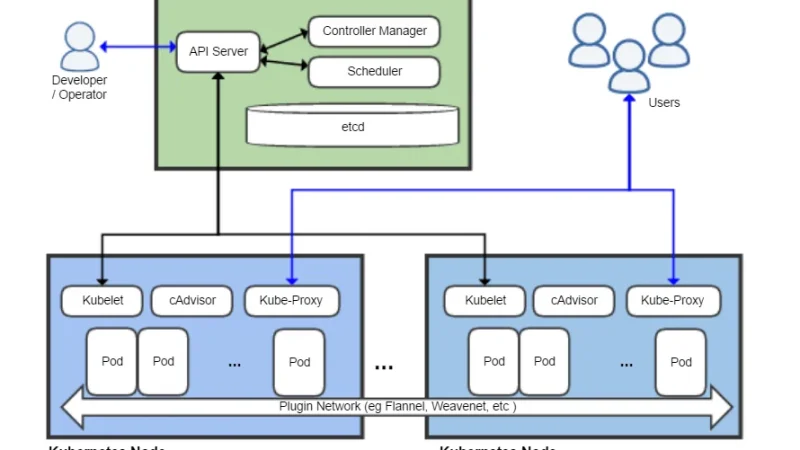
Kubernetes 1.35 GA consolidates three releases of work: native sidecars with full lifecycle management, generalised DRA for FPGAs and NPUs, and a scheduler that cuts resource waste by 15-25% in heterogeneous clusters. An operations-side balance sheet: what to enable now, what to watch before migrating, and what path to follow from 1.30.
NVIDIA still dominates frontier-model training in 2026, but inference tells a different story. AMD MI300X/MI325X with mature ROCm, Intel Gaudi 3, Google TPU v6, and AWS Trainium/Inferentia deliver 20 to 50% lower cost per token without sacrificing quality. Here is when to choose each option.
NPUs stopped being an accessory and became the component that defines real performance in laptops, phones, and small servers. A practical look at the hardware that rules 2026, which workloads pay off, and where the traditional GPU still wins.
After the 2023-2024 hype cycle led by Apple Vision Pro, the 2025 valley of disillusionment, and the quiet but real consolidation of Meta Quest 3S and the WebXR stack, it is time to assess honestly where extended reality stands. What works, what has died, what is still alive.
WASI preview 3 llegó como estándar estable a finales de 2025 y ha tenido unos meses para demostrar si realmente desbloquea los casos que preview 2 se quedaba cortos. Recorrido honesto por adopciones reales, bibliotecas maduras y patrones que empiezan a funcionar en producción.
gVisor interpone un kernel en espacio de usuario entre el contenedor y el anfitrión. Después de años en producción en Google y adopción creciente en plataformas serverless, merece una lectura honesta sobre cuándo compensa frente a microVMs y runtimes clásicos.
Garnet es el servidor de caché abierto por Microsoft Research que habla el protocolo de Redis pero está escrito en .NET 8 con un núcleo de almacenamiento orientado a hardware moderno. Tras casi dos años en público, muestra números interesantes y una arquitectura que merece mirarse con calma, aunque el ecosistema Redis siga siendo más maduro.
OSV-Scanner se ha convertido en una referencia silenciosa para escanear dependencias open source. Su valor no está en el escaneo en sí, que muchas herramientas ofrecen, sino en su conexión directa con OSV.dev como fuente de verdad. Un análisis de por qué esto importa más de lo que parece.
Unikernels were promised as the future of cloud deployment back in 2015, then faded into obscurity soon after. Ten years later, Unikraft has reached a stable release and reads like a more mature, more useful take on that same idea. A review of what has changed.
Wolfi turned three as a public project and has become the base for Chainguard container images and much of the industry chasing clean software supply chains. A field-tested review of what it offers against Alpine and Debian slim.
Four years ago it was an academic curiosity. Today, scheduling workloads by grid carbon intensity is a built-in option in Kubernetes, in several cloud provider services, and in CI tooling. We look at what genuinely changed and what is still more promise than practice.
Los primeros racks GB200 NVL72 llevan meses en manos de los hiperescalares y ya empiezan a verse mediciones públicas. La generación Blackwell no es una mejora incremental sobre Hopper, sino un cambio en la forma de entrenar modelos grandes. Repasamos qué cambia y qué no.
The combination of Parca for continuous profiling, Beyla for eBPF auto-instrumentation, and Grafana as the visualisation layer delivers deep observability without touching code. A look at how the three pieces fit together and where the limits still show.
Kubernetes 1.34 ships with Dynamic Resource Allocation (DRA) graduating to stable, scheduler improvements, and CEL-based mutating admission policies that replace webhooks. A practical rundown of what is safe to upgrade now, what can wait, and what actually changes for teams running production clusters.
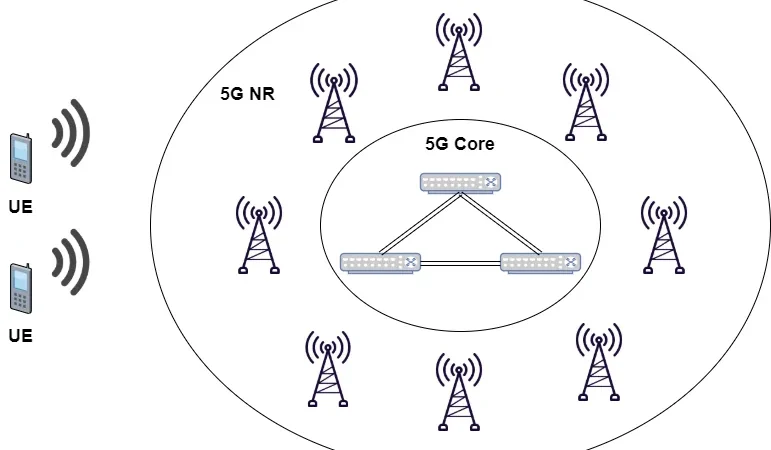
After years of pilots, private 5G is starting to show up in plants, ports, and warehouses with cases that actually work. What changed in 2025, which deployments make sense, and where WiFi 6E or a wired network still win the comparison.
Continuous profiling with eBPF samples every process's execution stack every few milliseconds without touching the code, then stores the history so you can compare last week's performance with today's. The cost measured in production runs between 1% and 3% of CPU, and it pays off most in databases, API gateways and high-concurrency services.
Kubernetes 1.32 Penelope shipped in December and has been running in clusters for several months. It is a good time to look at which changes have aged well, which created extra work, and what lessons to carry into the jump to 1.33.
Rust entered the Linux kernel as an experiment in 2022. Three years on it has stable in-tree drivers, an increasingly polished internal API, and a first wave of contributors who treat the language as the default choice for new code.
NIS2 entered force on 17 October 2024. Six months later, companies are in the trenches. I cover what has actually changed in operational security, what was paper theater, and where the directive still bites.
Valkey 8.1 salió el 31 de marzo y marca el momento en que la alternativa comunitaria de Redis deja de ser experimento. Cuenta una migración real: qué cambió, qué se mantuvo igual, y dónde hubo sobresaltos.
Después de años acumulando SBOMs, el cuello de botella es filtrar qué CVEs afectan de verdad. VEX aparece como la pieza que convierte el ruido en señal, y en 2025 empieza a tener adopción real en pipelines de supply chain.
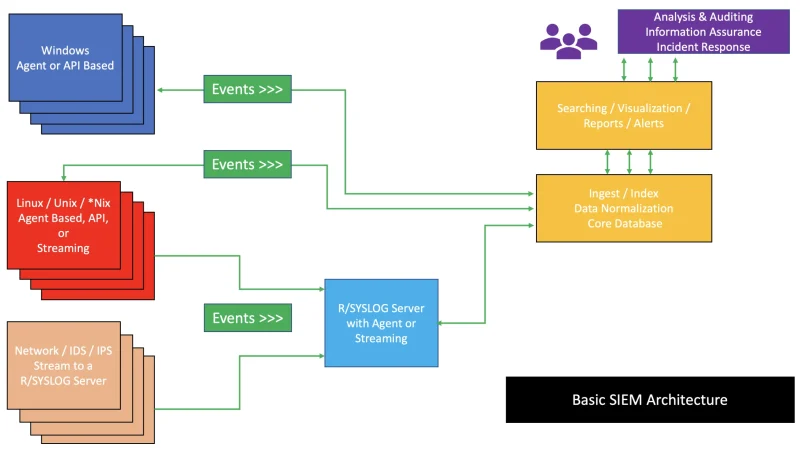
Two years after Zero Trust stopped being a marketing word, it is worth looking at how it connects with the SIEM teams run day to day. A look at useful signals, avoidable noise, and the decisions that actually change security posture.
Meta publicó Llama 3.2 con modelos tan pequeños como 1B y 3B, pensados específicamente para ejecutarse en dispositivos. Análisis de qué pueden hacer realmente y cómo se comparan con las alternativas.