Synthetic training data in 2026: when it works
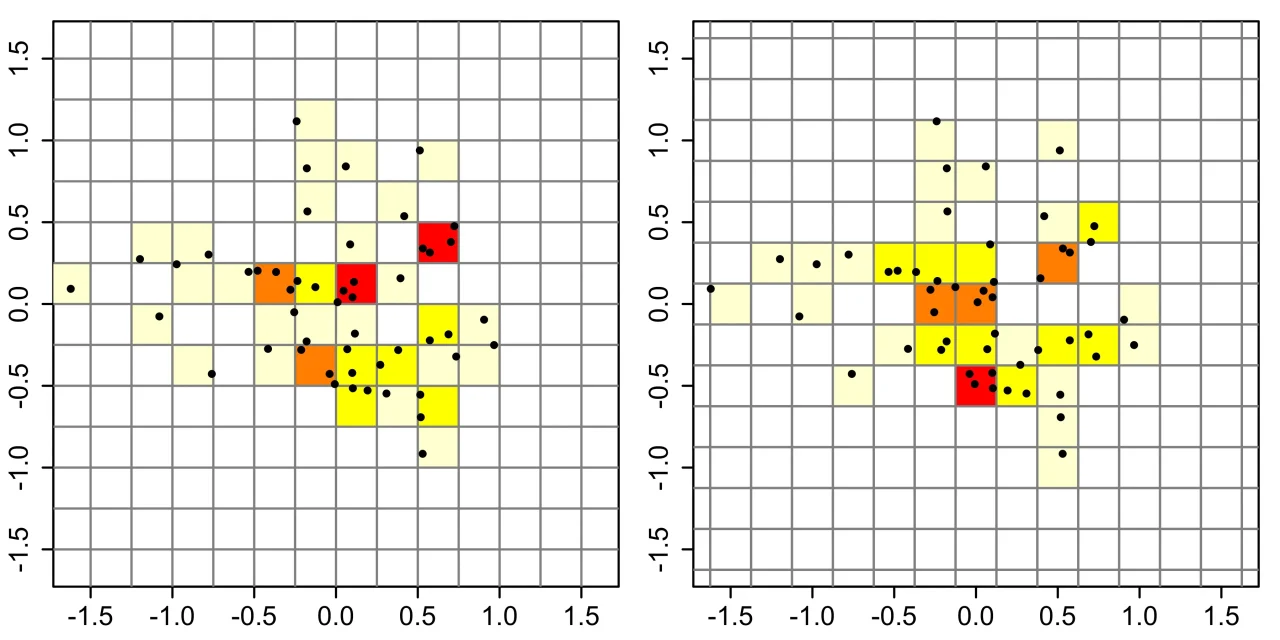
Table of contents
- Key takeaways
- Where it works without reservations
- Where it still fails
- Mandatory validation
- A concrete augmentation recipe
- Conclusion
- Frequently asked questions
- Can I train a model on synthetic data alone?
- What is the minimum share of real data I need in the mix?
- How do I stop the generated paraphrases from being near-duplicates?
- Sources
During 2023-2024 synthetic data was the last resort when real data was unavailable. In 2026 it’s a central component of almost any serious training or fine-tuning pipeline. Here’s what has changed and what still requires judgement.
Key takeaways
-
Variation generation from a real core (500 examples → 10,500) is the most reliable use case.
-
"Model collapse" occurs when training purely synthetic over successive generations: the model loses distribution tails.
-
The minimum safe mix is at least 30% real data, even when synthetic generation is cheap.
-
Three mandatory validations: diversity, correctness (human-reviewed sample), and distribution.
-
Validation cost is 10-20% of total pipeline time and pays back with the first broken model avoided.
Where it works without reservations
Variation generation from a real core. The most proven pattern:
-
You have 500 labelled examples.
-
Generate 10,000 controlled paraphrases preserving the label.
-
Train on 10,500.
This widens distribution and improves robustness. Key: the core is real; the expansion is synthetic.
Other cases where it works well:
-
Adversarial generation for red teaming: hard cases that expose model failures.
-
Regression test generation from specifications.
Where it still fails
Fully synthetic example generation without real anchor to train a model from scratch. Shumailov et al.’s research on model collapse[1] shows training on purely synthetic data over successive generations:
-
Degrades model quality.
-
The model converges to the generator’s mean distribution.
-
Loses distribution tails, which contain the hard and important cases.
Mitigation: always mix with a significant percentage of real data (at least 30%). Serious teams keep this ratio even when synthetic generation is cheap and real data expensive.
Mandatory validation
Generating synthetic data without validating is training blind. Three minimum validations:
-
Diversity: no structural repetition; paraphrases must add real variability.
-
Correctness: synthetic labels are correct in a human-reviewed sample, optionally backed by a mature LLM-as-judge for the first pass.
-
Distribution: the synthetic+real mix preserves the statistical properties of the real corpus.
Tools:
Validation cost is 10-20% of total pipeline time. It pays back with the first broken model avoided.
A concrete augmentation recipe
The 500 → 10,000 pattern in practice, step by step:
-
Anchor. Start from 500 real, human-labelled examples that already cover your edge cases. This set is the ground truth; everything else expands around it.
-
Generate. Ask the model for 15–20 paraphrases per example at moderate temperature (around 0.7), with an explicit instruction to preserve the label and vary surface form, register and length, not just swap synonyms.
-
Deduplicate. Embed every candidate and drop pairs above ~0.95 cosine similarity. Near-duplicates inflate the count without adding signal and are the fastest route to overfitting.
-
Validate the sample. Human-review a few hundred, confirm the label survived the paraphrase, and reject any drift.
-
Mix. Train on the real 500 plus the surviving synthetic set, keeping real data at 30% or more of every batch, not just the overall total.
The order matters: deduplicate before you validate, validate before you train. Skipping the dedup step is the most common way teams turn 10,000 examples into 2,000 distinct ones and 8,000 copies.
Conclusion
Synthetic data in 2026 is a real lever with clear rules: anchor in real data, always validate, avoid pure synthetic training, measure impact. Used this way, they extend training capacity by 10-20× without degradation. Used without judgement, they quietly degrade the model without anyone detecting the damage until it’s done.
Frequently asked questions
Can I train a model on synthetic data alone?
Better not. Shumailov et al.'s research on model collapse shows that training on purely synthetic data over successive generations degrades quality. The model converges to the generator's mean distribution and loses the tails, which contain the hard and important cases. The mitigation is to always mix in at least 30% real data, and to keep that ratio in every batch, not just the overall total.
What is the minimum share of real data I need in the mix?
At least 30% real data, even when synthetic generation is cheap and real data expensive. The most proven pattern starts from a real core of 500 human-labelled examples and expands it with around 10,000 controlled paraphrases that preserve the label, training on 10,500. The real core is the ground truth; the synthetic expansion widens the distribution and improves robustness.
How do I stop the generated paraphrases from being near-duplicates?
Embed every candidate and drop pairs above ~0.95 cosine similarity before validating and training. Near-duplicates inflate the count without adding signal and are the fastest route to overfitting; skipping this step turns 10,000 examples into 2,000 distinct ones and 8,000 copies. It helps to ask for 15–20 paraphrases per example at a temperature around 0.7, varying surface form, register and length rather than just swapping synonyms.