The RICE framework is a prioritization methodology created by Intercom that produces a score by combining four factors: Reach, Impact, Confidence, and Effort. It divides the product of the first three by the estimated effort in person-months, so it can compare unrelated initiatives using one objective number.
CVE-based attack surface management has moved from an abstract list to an engineering practice with real prioritization. We look at how it works once EPSS, KEV and exposure context enter the same equation.
The MoSCoW method organises project requirements into 4 categories: Must have (essential), Should have (important), Could have (desirable), and Won't have (out of scope). Its purpose is to force an explicit priority conversation before committing team resources and time.
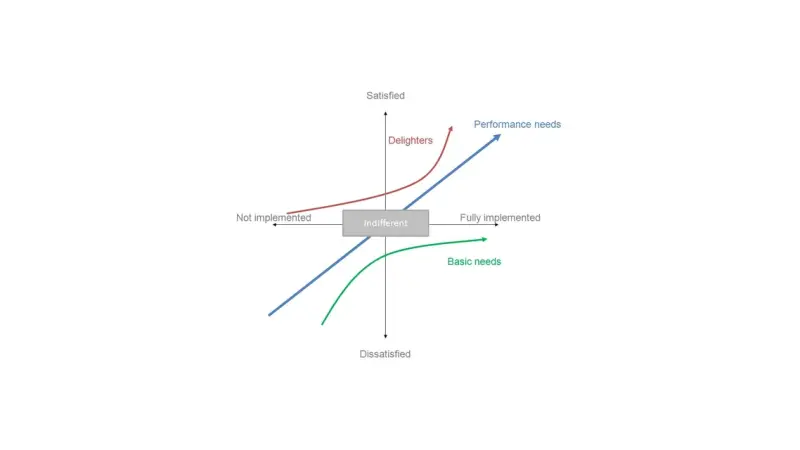
The Kano model classifies product features into three types: basics (what customers take for granted), performance (where more investment yields more satisfaction), and emotional delighters (unexpected extras that build loyalty). Knowing which category each feature belongs to sharpens every roadmap decision.
6 min3304.5
We use first- and third-party cookies to analyze site traffic. You can accept them, reject them, or configure your choice.
Learn more about cookies
Cookie preferences
NecessaryEssential for the site to work. Always on.
AnalyticsHelp us understand how the site is used (Google Analytics).