Categories

Methodologies

Design Thinking: Methods and Strategies

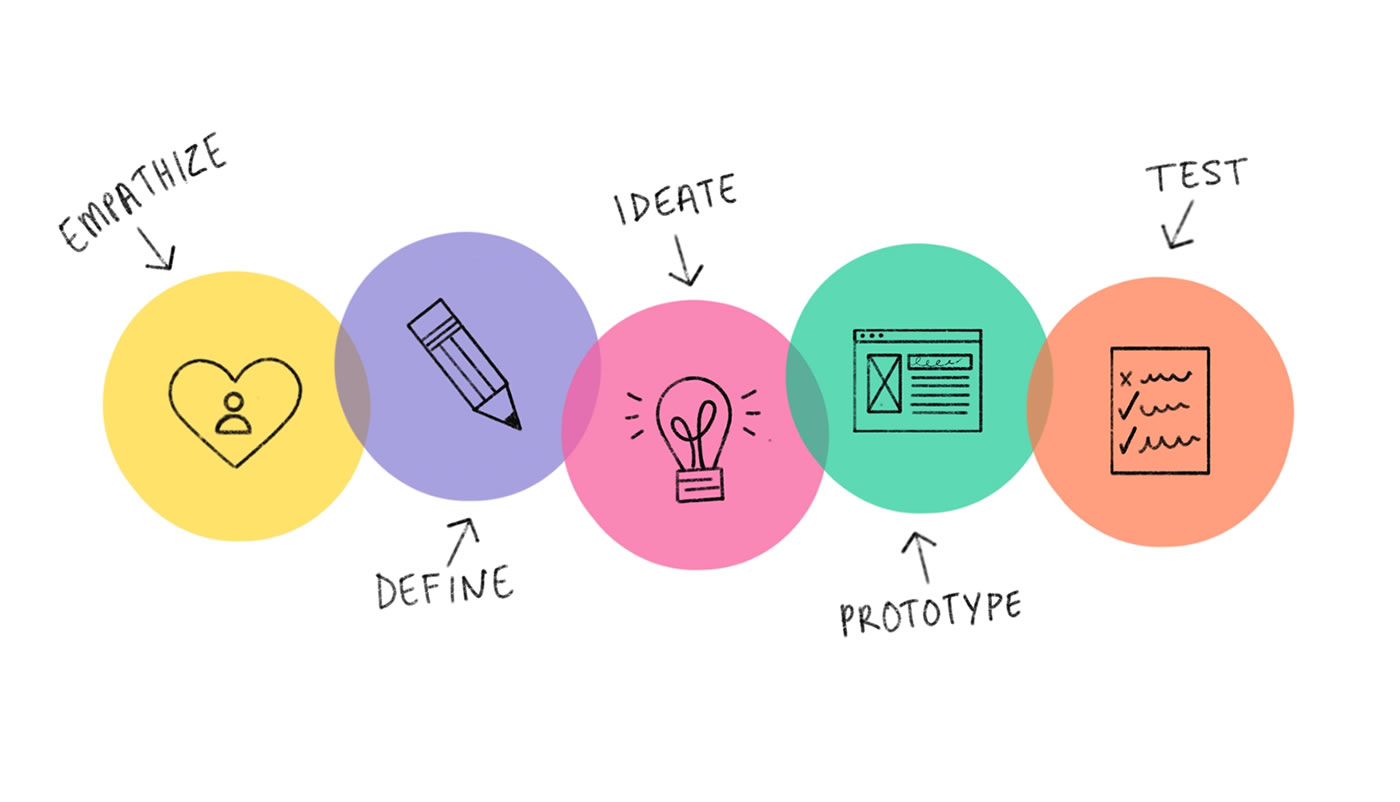
Design thinking is a user-centred problem-solving methodology structured around five iterative phases: empathise, define, ideate, prototype, and test. Following the Design Council Double Diamond model, it first identifies the right problem, then designs the right solution. Applicable to digital products, internal processes, and business models alike.

Architecture

Modules vs. Microservices: The Architecture Battle

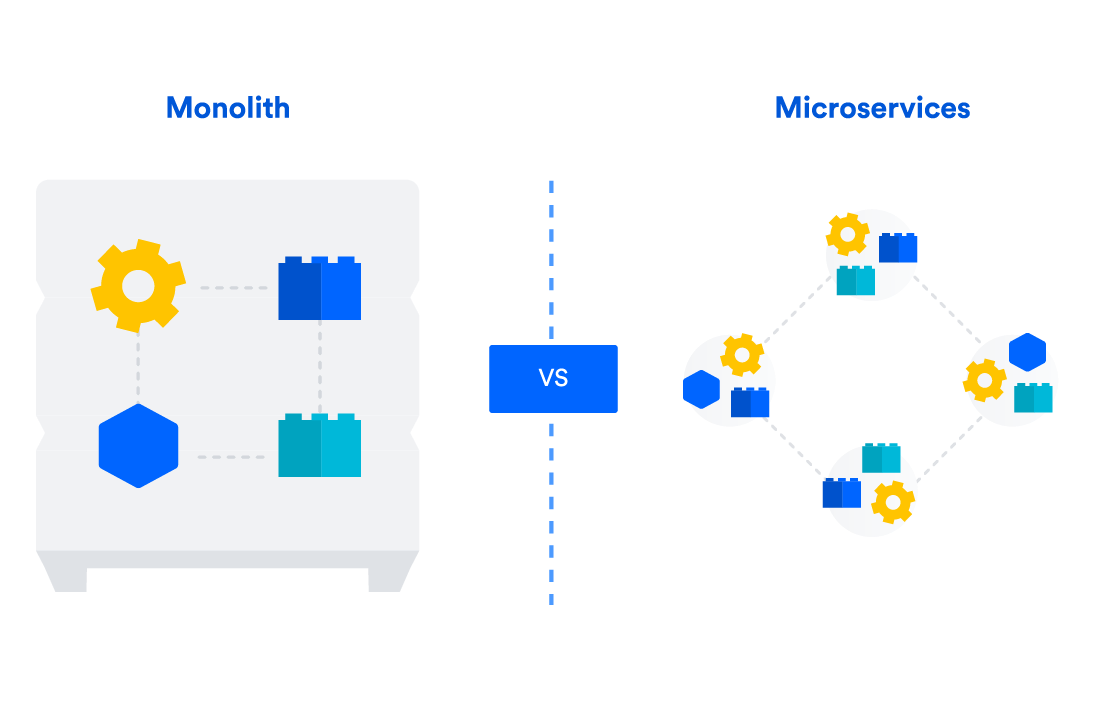
Choose modular architecture when your team has fewer than ten people and ships the system as a single unit; choose microservices when separate teams need to deploy independently or when specific components require very different scaling, in exchange for higher operational complexity.

Software Development

Word Choice in Your App: Key to the User Experience

The words in an application are not decoration: they determine whether the user completes the task or abandons it in frustration. Good UX writing demands clarity above all, consistent vocabulary across the interface, tone matched to the audience, and error messages that explain what failed and how to fix it, not just that something went wrong.

Tools

RustDesk Remote Desktop Tool: Professional Solution

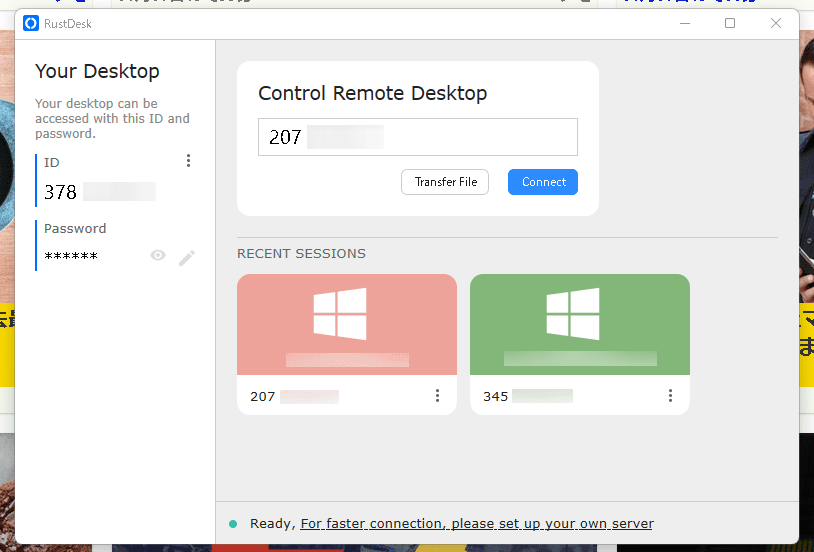
RustDesk is an open-source remote desktop tool released under the AGPL-3.0 licence, with more than 113,000 stars on GitHub. It offers end-to-end encryption, clients for Windows, macOS, Linux, iOS and Android, and the option to run your own signalling server with Docker instead of relying on RustDesk's public infrastructure.

Methodologies

OKR Methodology: Maximise Your Objectives

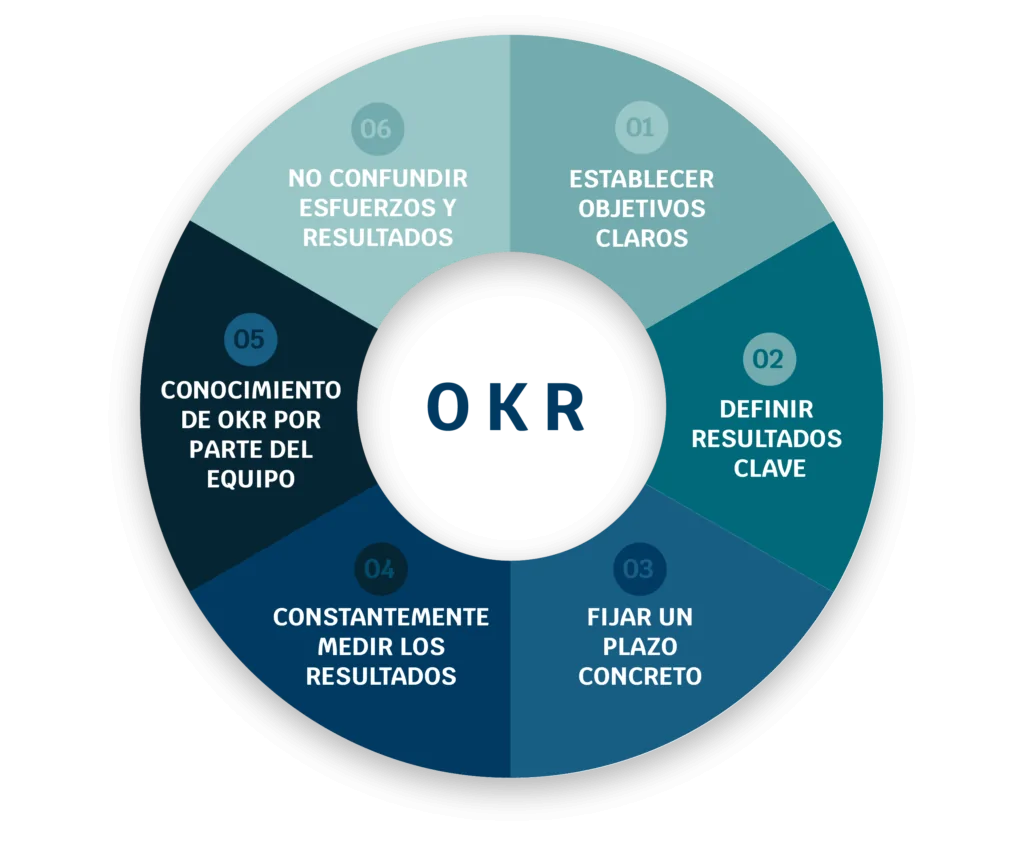
The OKR (Objectives and Key Results) methodology is a goal-management system that aligns the entire organisation, from the CEO to every team, around ambitious, measurable goals. Each qualitative objective pairs with quantifiable key results, reviewed every quarter to keep focus without the rigidity of an annual plan.

Methodologies

Agile Methodologies: Optimising Project Development

Agile methodologies (Scrum, Kanban, Extreme Programming) replace rigid upfront planning with short, iterative cycles: each sprint delivers working software, brings in real customer feedback, and lets teams correct course before a mistake becomes expensive. Born from the 2001 Agile Manifesto, they are now applied well beyond software, in marketing, design, and research too.

Artificial Intelligence

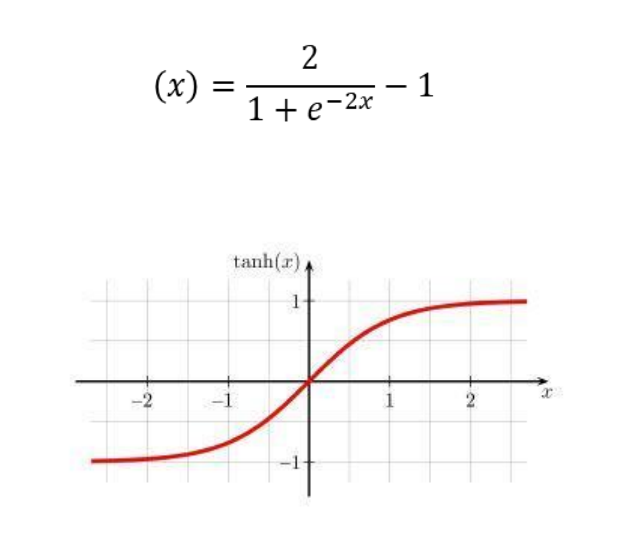
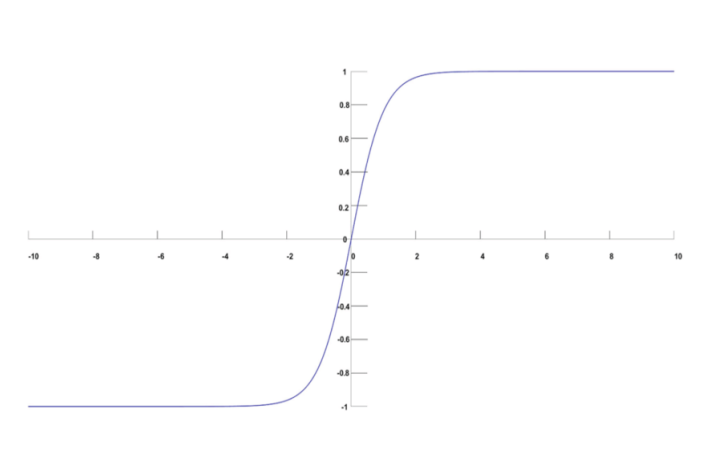
The Hyperbolic Tangent: A Powerful Activation Function

The hyperbolic tangent (tanh) is an activation function that squashes any real value into the interval (-1, 1) with zero-centred output, which removes the systematic gradient bias seen with sigmoid. It is the standard activation inside the LSTM and GRU memory cells used in recurrent networks.

Artificial Intelligence

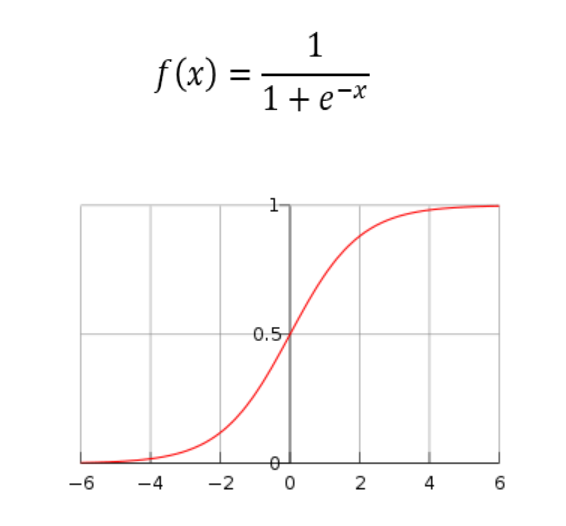
The Sigmoid Function: A Key Tool in Neural Networks

The sigmoid function maps any real number to a value between 0 and 1, which makes it the natural activation function for expressing probabilities in a neural network. It is differentiable across its whole domain, though it suffers from saturation and vanishing gradients in deep networks, so today it is mostly reserved for the output layer.

Artificial Intelligence

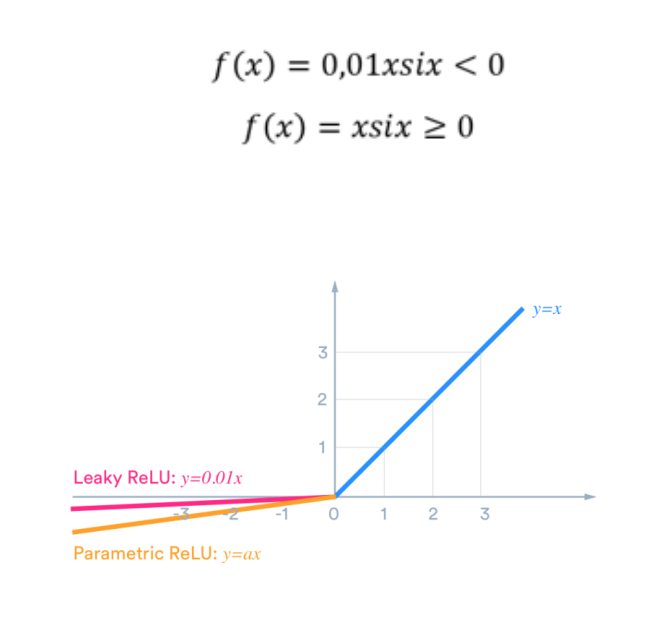
The Leaky ReLU Function and Its Role in Neural Networks

Leaky ReLU is an activation function derived from ReLU that replaces the zero output for negative inputs with a small slope, typically 0.01. This keeps the gradient from ever reaching zero, which prevents the dying neuron problem and stabilizes training in very deep convolutional, recurrent, and GAN networks.

Artificial Intelligence

The Step Function: An Essential Tool in Neural Networks

The step function, or Heaviside function, is the simplest activation function in a neural network: it maps any input to a binary output, 0 or 1, depending on whether it crosses a fixed threshold. It was the core decision mechanism of Rosenblatt's perceptron in 1958, but its derivative is zero almost everywhere, so modern networks use sigmoid or ReLU instead.

Artificial Intelligence

Linear Function: A Common Activation Function

The linear function f(x) = ax + b is the simplest activation a neural network can use: in its identity form, f(x) = x, it is the standard choice for the output layer in regression, because it does not bound the range of possible values. In hidden layers it fails, because composing several linear functions collapses the whole network into one equivalent linear layer.

Artificial Intelligence

Mathematical Formulation of Artificial Neural Network Input

In a neural network, the input is represented as a column vector x in R^n that the hidden layer transforms through a weight matrix W, a bias vector b, and a non-linear activation function such as ReLU, sigmoid, or tanh. Training adjusts W and b by minimising the loss function via gradient descent and backpropagation.

Artificial Intelligence

Multilayer Neural Networks: Advancing Artificial Intelligence

A multilayer neural network consists of an input layer, one or more hidden layers, and an output layer, where each neuron weights its inputs and applies a non-linear activation function before passing the result to the next layer. Through forward propagation and backpropagation, the network adjusts millions of weights to learn hierarchical representations capable of classifying images, translating text, or generating language.

Artificial Intelligence

DataFrames and Pipelines in Spark: Data Processing Optimisation

Spark DataFrames are distributed, schema-based tables that the Catalyst engine optimises automatically, while pipelines chain those transformations into a reproducible end-to-end flow. Together they let you process large data volumes efficiently across a cluster, scaling from a laptop to hundreds of nodes without rewriting code.