The idea of UI generated on the fly instead of pre-built reached production in 2025. After a year of real-world use, the balance is more nuanced than the initial enthusiasm suggested.
Generative AI helps user research most in transcription, where it reliably saves hours, and in early note synthesis and discussion guide drafting. It does not replace real participants: synthetic personas return plausible answers rather than the genuine surprises interviews produce. Verify every quote in a final deliverable against the original transcript before anyone acts on it.
A year after chat stopped being the only acceptable way to talk to an agent, UI patterns built specifically for agent tasks are emerging. I go through the ones starting to stick and the ones that are just cycle fashion.
The AI features Figma has rolled out since Config 2024 are changing how product design teams work. A look at what each feature delivers, what remains human work, and which habits are taking hold across teams.
The European Accessibility Act takes effect in June 2025 and covers more products than most teams expect. What actually changes, who is legally obliged to comply, what WCAG 2.1 asks for in practice, and how to plan the work with enough margin to arrive ready.
How Figma went from being one more design tool to becoming the shared language between design, product and engineering, and what that shift changes about the way a product team actually works from the first sketch through to handoff.
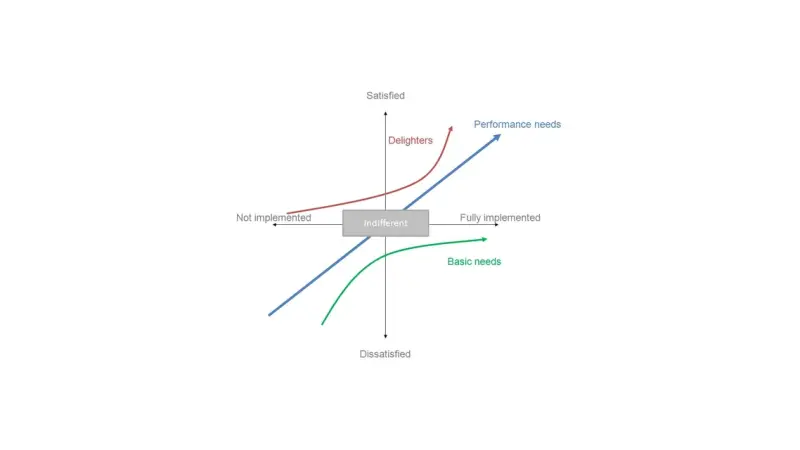
The Kano model classifies product features into three types: basics (what customers take for granted), performance (where more investment yields more satisfaction), and emotional delighters (unexpected extras that build loyalty). Knowing which category each feature belongs to sharpens every roadmap decision.
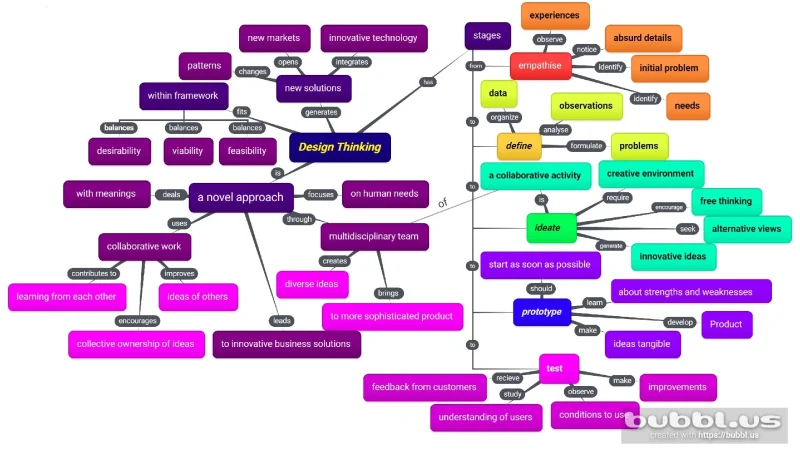
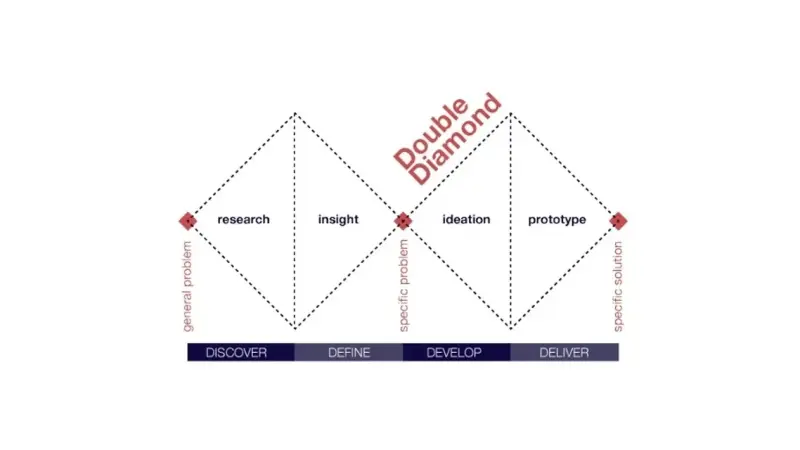
Design thinking is a user-centred problem-solving methodology structured around five iterative phases: empathise, define, ideate, prototype, and test. Following the Design Council Double Diamond model, it first identifies the right problem, then designs the right solution. Applicable to digital products, internal processes, and business models alike.
6 min4374.8
We use first- and third-party cookies to analyze site traffic. You can accept them, reject them, or configure your choice.
Learn more about cookies
Cookie preferences
NecessaryEssential for the site to work. Always on.
AnalyticsHelp us understand how the site is used (Google Analytics).