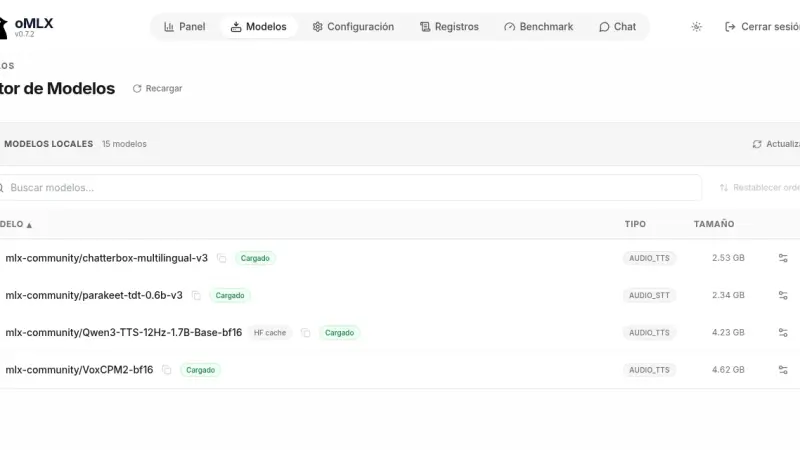
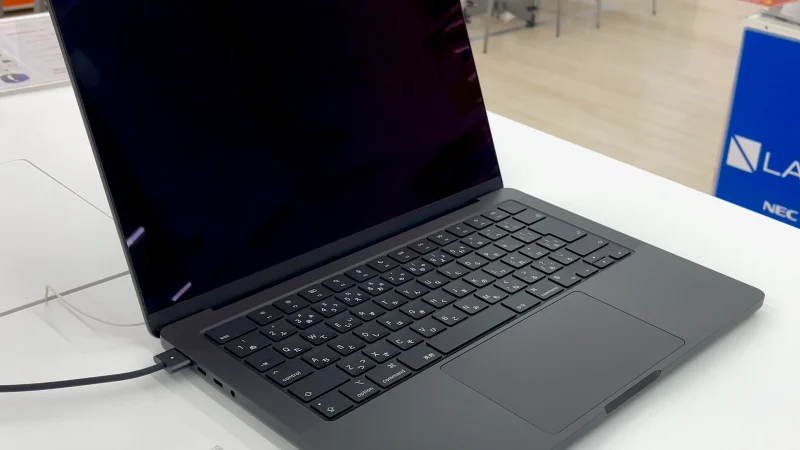
oMLX serves text-to-speech (TTS) models on an Apple Silicon Mac through the same API as OpenAI. With POST /v1/audio/speech you request audio in a preset voice, a voice described in plain language or a voice cloned from a few seconds of reference. On an M5 Max, Qwen3-TTS 1.7B generates each second of audio in 0.33 s.
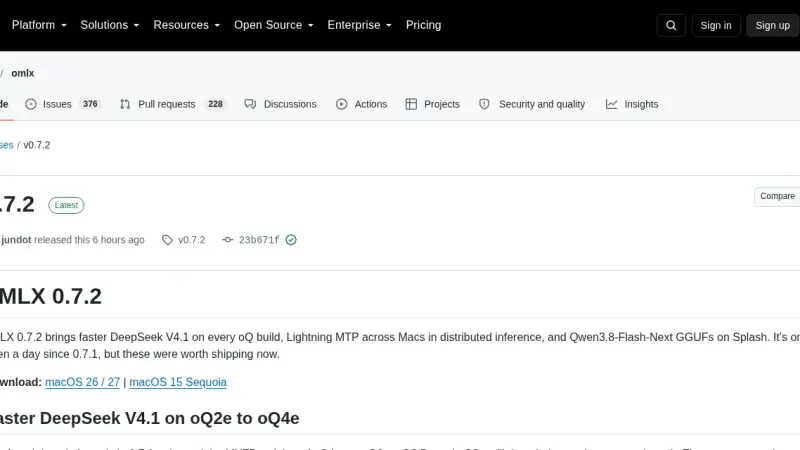
oMLX 0.7.2, released on 21 October 2026, one day after 0.7.1, speeds up DeepSeek V4.1 on the oQ2e to oQ4e quants, turns on Lightning MTP in multi-Mac clusters, runs Qwen3.8-Flash-Next GGUFs on Splash and stops re-prefilling the whole conversation on every Claude Code turn. You upgrade it from the app, Homebrew or source.
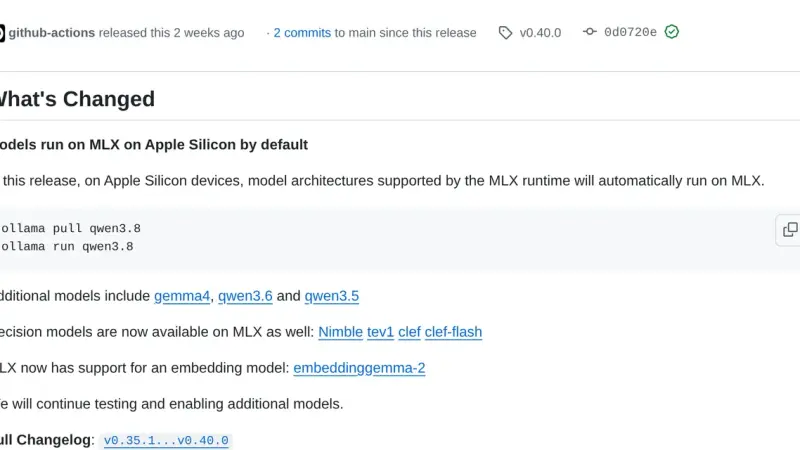
Since Ollama 0.40, released on 25 September 2026, models with a supported architecture run on MLX instead of llama.cpp on Apple Silicon Macs. Ollama picks the model variant at download time, and ollama ps shows in its RUNNER column which engine serves it. On Linux and Windows llama.cpp is still the default.
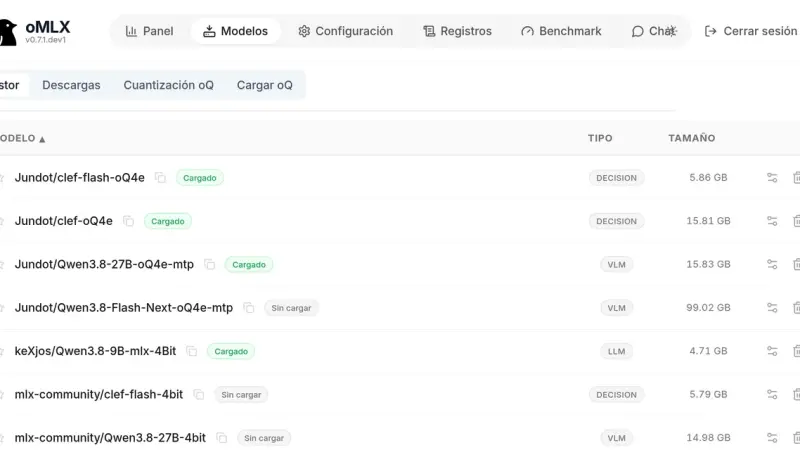
Since oMLX 0.7.1.dev1, one server on your Mac serves Qwen on /v1/chat/completions and the Clef decision models on /v1/systemone. On an M5 Max, Clef-flash decided each ticket in 111 ms and, with Qwen writing the reply, triage got 39 of 40 labels right against 34 with Qwen alone.
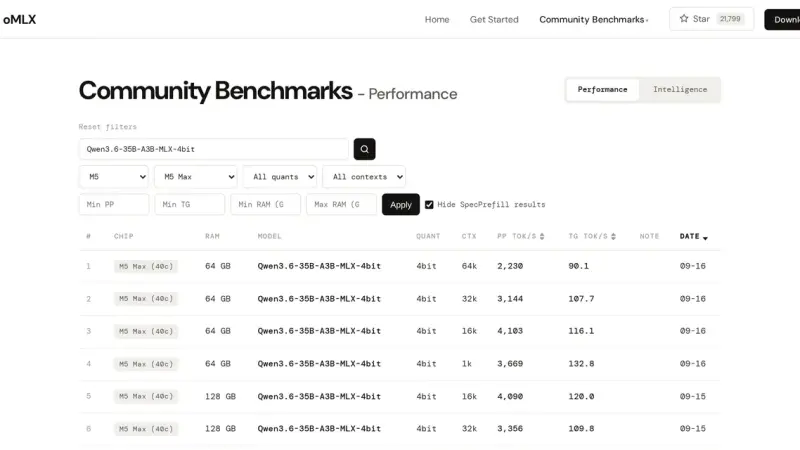
oMLX ships a benchmark tool in the panel that measures time to first token, time per output token, tokens per second and peak memory, with prompts from 1,024 to 200,000 tokens. The default memory ceiling is system RAM minus 8 GB, and that is what decides which context fits.
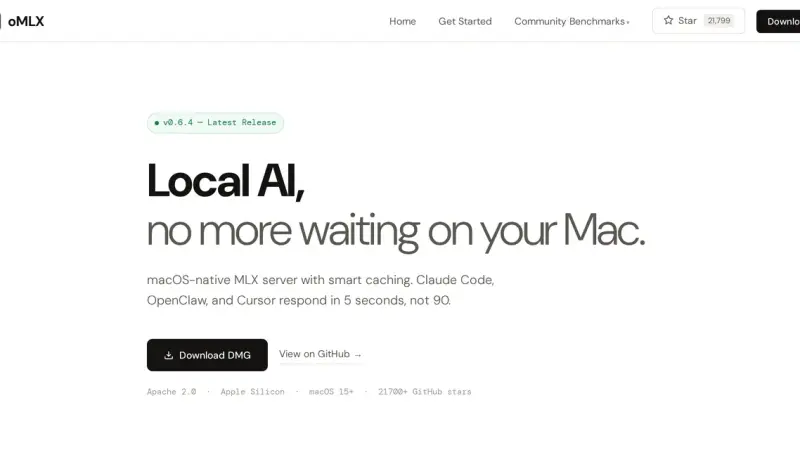
oMLX is a local inference server for Apple Silicon Macs that wraps Apple's MLX framework in a web process and exposes it through the OpenAI and Anthropic APIs. It adds continuous batching, on-disk KV caching and several models in memory at once, all driven from the menu bar.
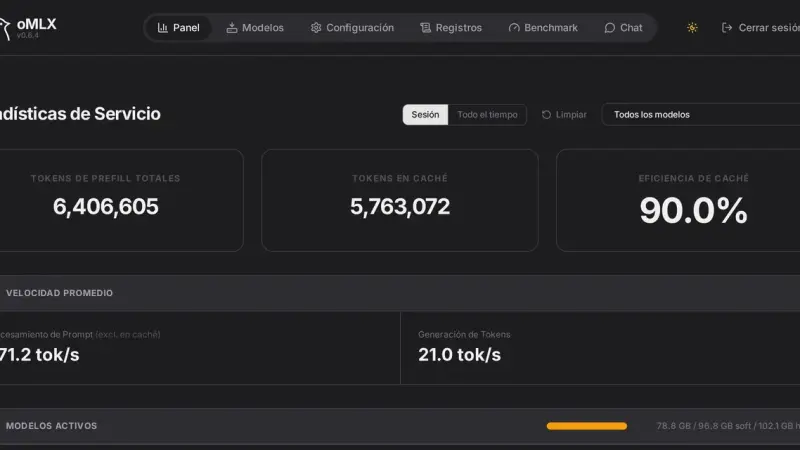
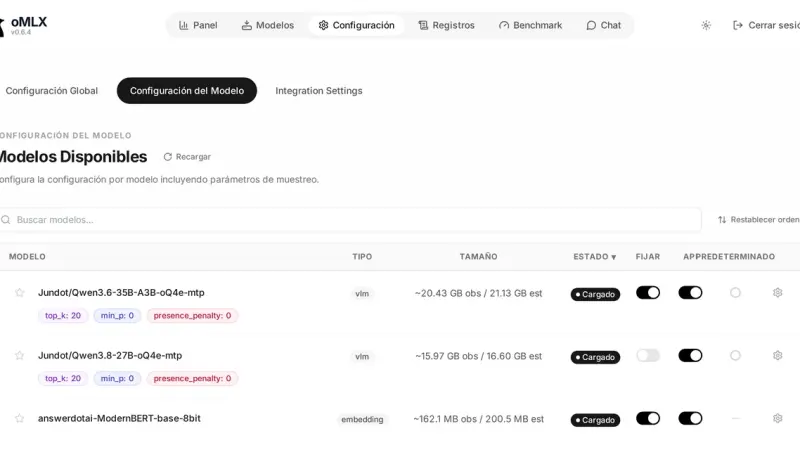
The oMLX panel lives at localhost:8000/admin and gathers monitoring, model loading and unloading, chat with history, a Hugging Face downloader, benchmarks and per-model settings. The command line covers the rest with four commands: serve, start, stop and launch, the last one for wiring up external clients.
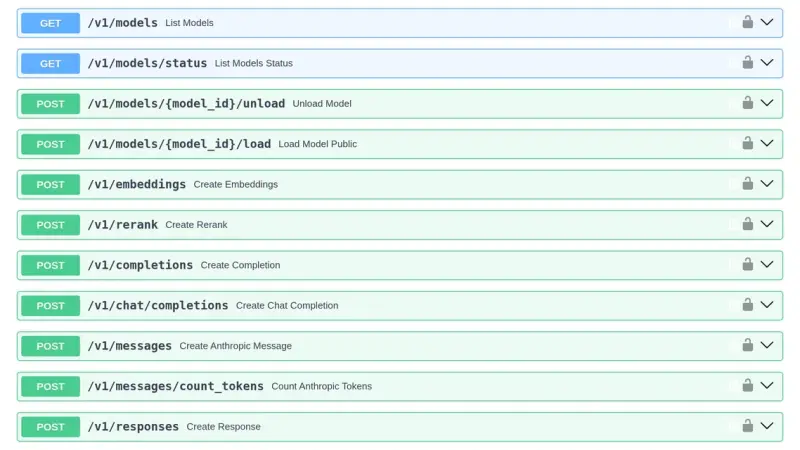
oMLX listens on 127.0.0.1:8000 by default and exposes eight endpoints compatible with OpenAI and Anthropic. The API key travels in the Authorization header or in x-api-key, supports sub-keys that only call the API, and can be skipped for local connections. Everything is configurable through settings.json, environment variables or flags.
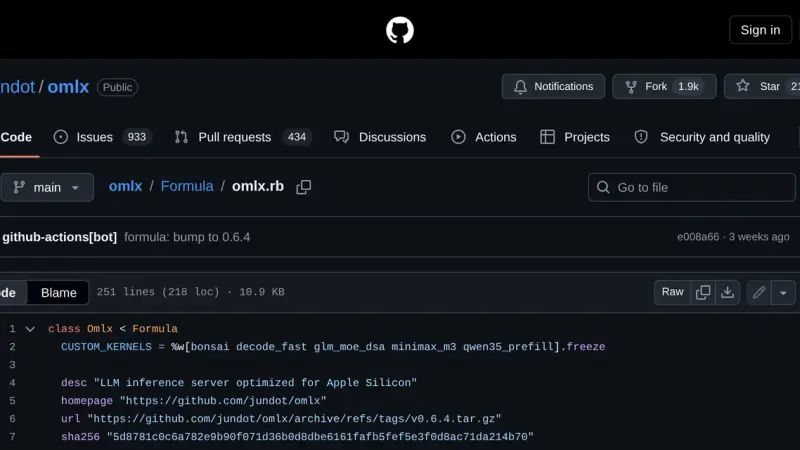
oMLX installs through Homebrew in two commands: first the tap for jundot's repository, then the formula. You end up with a launchd service that starts via omlx start, a log inside Homebrew's var directory and an upgrade path through brew upgrade. The current version is 0.6.4, released on 29 August 2026.
oMLX manages each model's lifecycle with four pieces: a downloader that pulls weights from Hugging Face, aliases that rename the model in the API, a TTL that unloads it after idle time, and a tiered KV cache that spills blocks to SSD when RAM fills up.
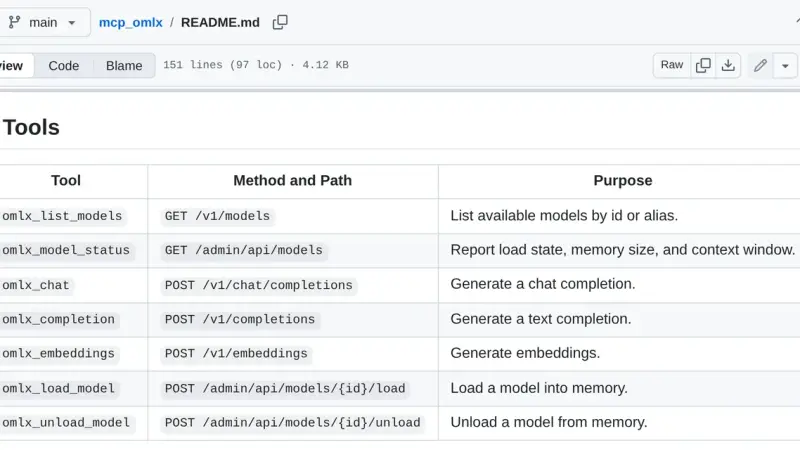
oMLX MCP is a bridge that exposes your local oMLX server as Model Context Protocol tools. The mcp_omlx package connects Claude Desktop to the models running on your Mac and gives you seven tools to list models, load and unload them from memory, and run inference without leaving the client.
Recipe for oMLX 0.6.4 on a Mac M5 Max with 128 GB: install, Claude Code and advanced settings with screenshots (Lightning MTP, VLM MTP and DFlash). Includes our own September 2026 benchmarks, with up to 1.88x more tokens per second.
100 must-have apps for your M5 Mac organised into 20 categories: browser, notes, terminal, IDE, containers, AI and more. Each pick with purpose, key features, plugins, pricing in EUR and the official link.
NPUs stopped being an accessory and became the component that defines real performance in laptops, phones, and small servers. A practical look at the hardware that rules 2026, which workloads pay off, and where the traditional GPU still wins.
Neural processing units have stopped being a marketing label on Snapdragon, Apple Silicon and AMD Ryzen AI laptops. Here is what you can actually do from code today, which tools are mature, and when it pays off to target the NPU instead of the CPU or GPU.
I have spent six months using a MacBook Pro with M4 Pro as my main development machine. I lay out what has genuinely changed versus the previous M2 Pro, where the jump is noticeable, and where the investment is not justified if you already own a recent machine.
M3 and M4 solidified the Apple Silicon advantage: unified memory up to 128 GB shared across CPU, GPU, and Neural Engine; 12 to 16 hours of real battery life; and a 38-TOPS Neural Engine that runs large language models directly on the laptop. The practical difference for developers is measurable.
Ollama became the standard for running large language models locally in 2024. It wraps llama.cpp in a single binary with Docker-style CLI and an OpenAI-compatible API. Phi-3 Mini runs in 4 GB; Llama 3.1 8B Q4 needs 6 GB. For production traffic at scale, vLLM remains the correct choice.
Qualcomm Snapdragon X Elite is the first ARM chip to match Apple M3 performance in Windows laptops, with 22+ hours of battery life and a 45 TOPS NPU for on-device AI. Most software runs well via the Prism emulator, though it is not yet ready for anti-cheat gaming or specialized x86 workloads.
Installing Ollama on an Apple Silicon Mac is as simple as running one Homebrew command. Then pick a model based on available RAM (Phi-3 for 8 GB, Llama 3.1 8B for 16 GB) and expose the local, OpenAI-compatible HTTP API on port 11434 to plug it into your own applications.
LM Studio is a desktop app for Mac, Windows, and Linux that downloads and runs large language models on your own machine, with a polished chat interface and no terminal required. It includes an OpenAI-compatible API and RAG with your documents. For individual use it beats Ollama on user experience; for teams or production, OpenWebUI, vLLM, or TGI are the better fit.
6 min2844.6
We use first- and third-party cookies to analyze site traffic. You can accept them, reject them, or configure your choice.
Learn more about cookies
Cookie preferences
NecessaryEssential for the site to work. Always on.
AnalyticsHelp us understand how the site is used (Google Analytics).