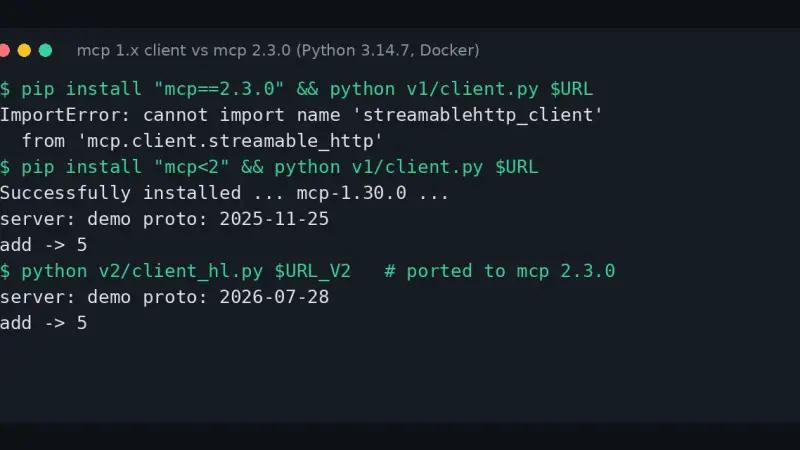
The cannot import name streamablehttp_client error appears because the Python mcp package 2.x deleted that function, and McpError was renamed MCPError. To get unblocked, pin mcp
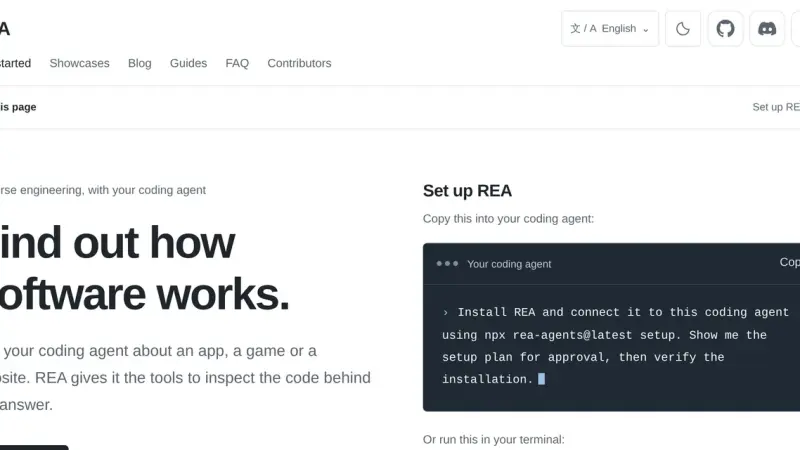
REA (Reverse Engineer Anything) is an MIT-licensed MCP server and CLI that gives Claude Code, Codex or Cursor reverse engineering tools. I tested rea-agents 6.7.0 in Docker: it exposes 207 tools, rebuilt the graph of the Hyper Electron app and, with Ghidra 12.1.4, decompiled a C binary I compiled myself.
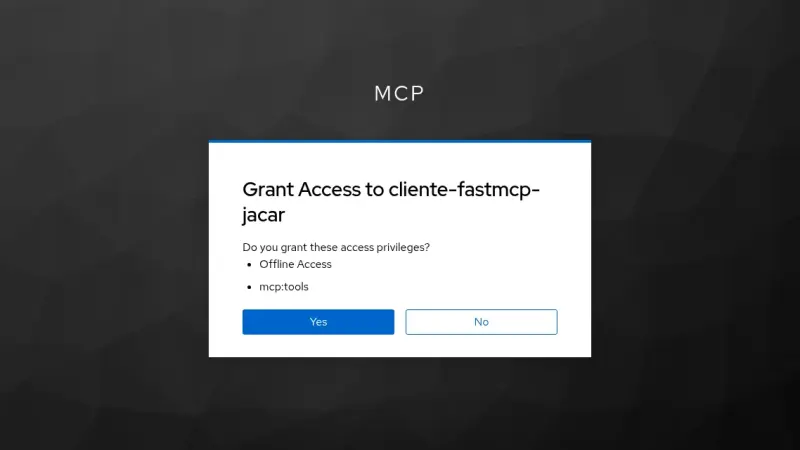
Keycloak 26.7.4 can act as the authorization server for an MCP server: it publishes its metadata, supports dynamic client registration and issues JWTs that FastMCP validates. It does not implement RFC 8707, so the token audience comes from a client scope and a mapper, and the MCP server must always check it.
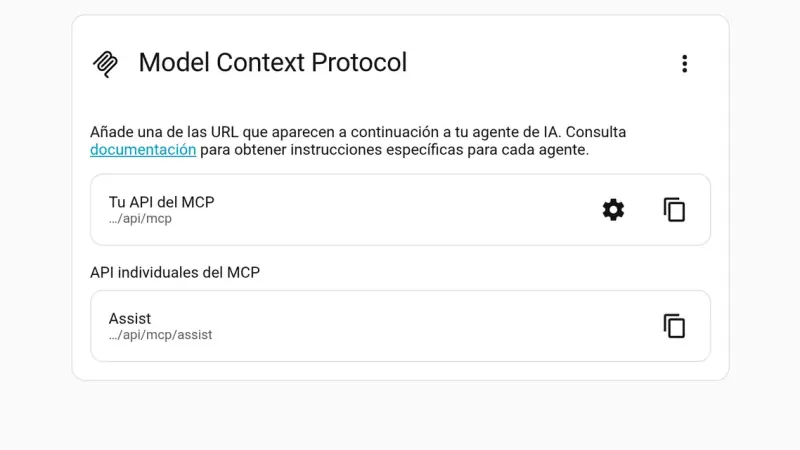
Home Assistant 2026.10 turns its MCP server on in one click from Settings > System > AI and gives you the URL for your agent. I tested it with the Python SDK and Claude Code: 28 tools, 45 of 122 entities exposed, locks left out by default and admin accounts only.
ArtCraft's Crafting Apps are twelve open-source creative apps written in Rust, licensed MIT or Apache 2.0, that you can also drive from a CLI and over MCP. I tested them on 13 October 2026 on Linux arm64: PhotoCraft 0.8.2 and PdfCraft 0.7.1 work from the terminal, over MCP and in the browser, but they are still early alpha.
If your server imports mcp.server.fastmcp, upgrading the mcp package to version 2 breaks it: FastMCP was renamed MCPServer. You have two destinations, MCPServer or FastMCP 4, and both require moving host and port to run(), building MCPError from a code and a message, and replacing ctx.elicit, which fails on 2026-07-28 connections.
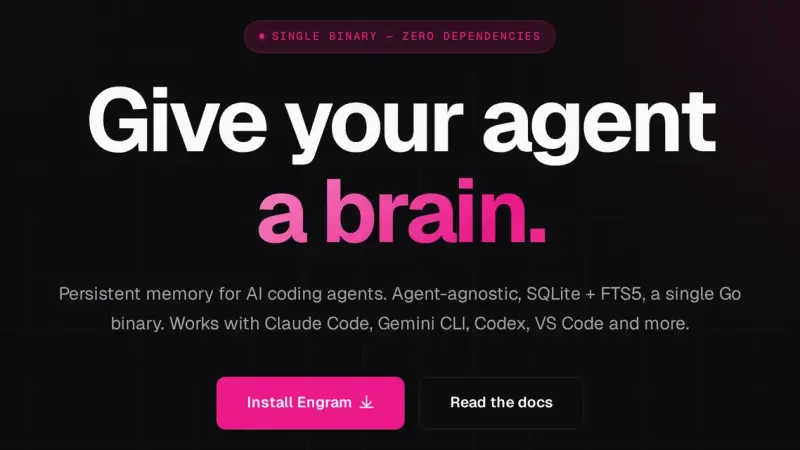
Engram is a Go binary backed by SQLite and FTS5 that gives coding agents persistent memory over MCP. It stores decisions and conventions between sessions, syncs through git and needs no Node, Python or Docker. Its search is lexical rather than semantic, and that shapes what you should save.
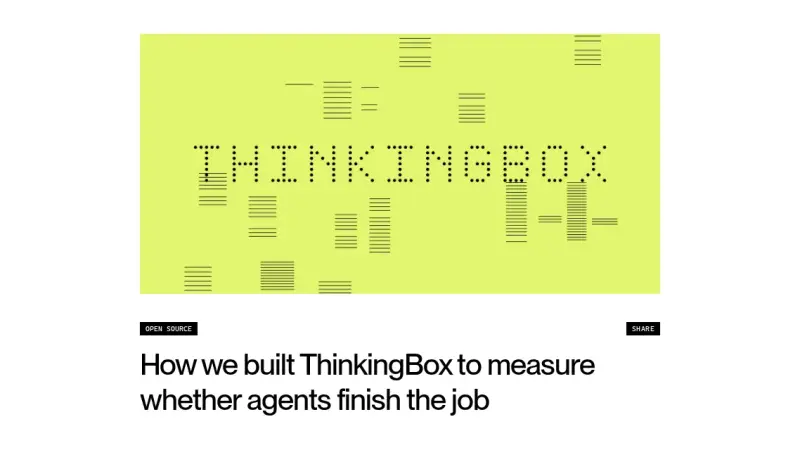
ThinkingBox is an MIT-licensed Microsoft sandbox that runs an agent against stateful MCP tools and judges it by the side effects it leaves in the system, not by what it claims to have done. Its companion benchmark covers 507 business tasks, each repeated twenty times.
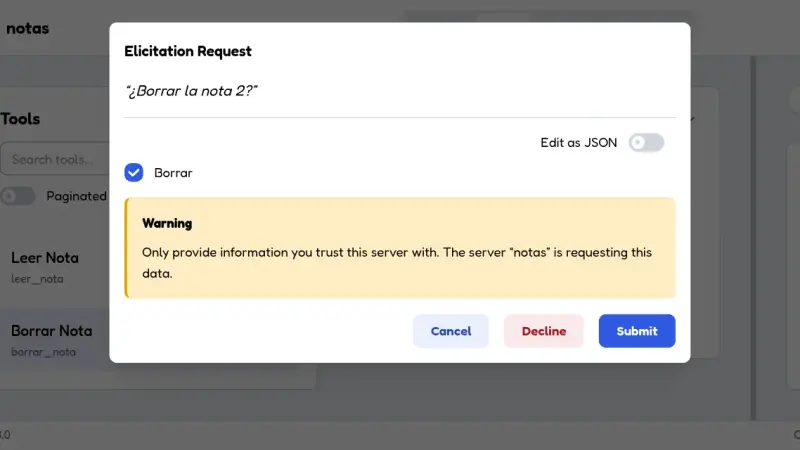
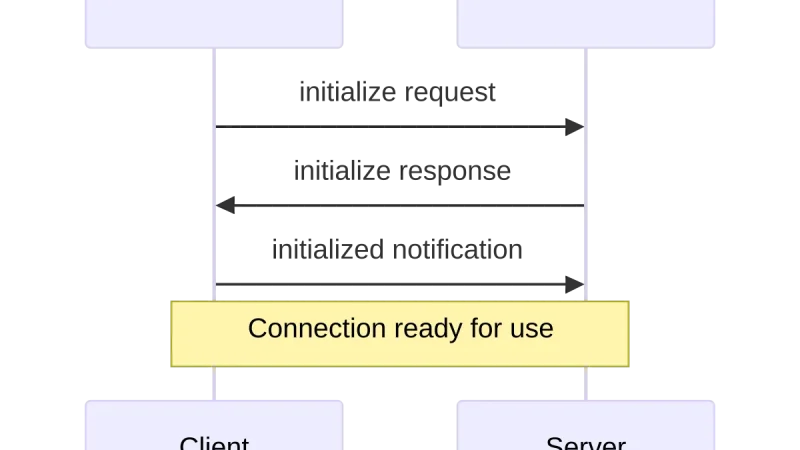
The 2026-07-28 revision turns MCP into a stateless protocol. The initialize exchange and the Mcp-Session-Id header are gone, and the protocol version plus client capabilities now travel inside the _meta field of every request. In exchange, Roots, Sampling and Logging are deprecated with a twelve-month window.
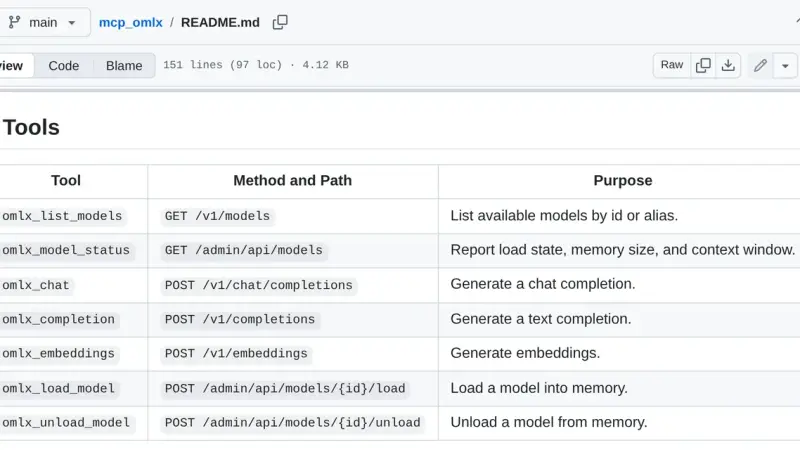
oMLX MCP is a bridge that exposes your local oMLX server as Model Context Protocol tools. The mcp_omlx package connects Claude Desktop to the models running on your Mac and gives you seven tools to list models, load and unload them from memory, and run inference without leaving the client.
Your own MCP server exposes your data and functions to any AI assistant through the Model Context Protocol. With the official Python SDK and its FastMCP class you write a server in about twenty lines: you define tools, resources and prompts as type-annotated functions, and you connect it to Claude, Cline or Goose over stdio or HTTP.
Docker Agent is a Docker CLI plugin for building and running AI agents from a declarative YAML file, no code required: you define one or more agents, give them MCP tools, run them with docker agent run, and share them through any OCI registry, on OpenAI, Anthropic, Gemini or other providers.
This guide shows how to build a production-ready agent with the Anthropic SDK in Python: the tool-use loop with the Messages API, streaming with backpressure via a bounded queue, prompt caching with cache_control, your own MCP server registered with the Claude Agent SDK, OTel GenAI traces, and a non-root Docker container ready for production.
After eighteen months of multi-vendor adoption, MCP is the de facto standard for connecting models to tools. The complete guide: architecture, servers, policies, authentication, composition, and the antipatterns we’ve already seen in production.
The Model Context Protocol, proposed by Anthropic in late 2024 and adopted through 2025-2026 by Anthropic, OpenAI, Google, and the open-source community, already has proven operational patterns: separating generic servers from custom ones, explicit per-tool policies, credentials kept outside the model, prefixed composition, and contract tests. This is the state of the art in 2026.
The Model Context Protocol has gone from proposal to de facto standard for connecting editors with external tools. This practical guide walks through standing up a local MCP server, wiring it into VS Code or your client of choice, and understanding exactly what you are exposing.
Twenty months after the initial announcement, Model Context Protocol went from curiosity to de-facto standard among agent clients and servers. What is available, which servers are worth it, which problems remain open, and how it compares to earlier protocol maps.
Six months after A2A landed at the Linux Foundation, and after several implementation cycles from Google, Microsoft, and open projects, what version 1 of the protocol means and whether it is safe to build on yet.
With MCP solving the agent-to-tool layer, a parallel problem surfaces: how do two agents from different vendors communicate with each other. Google's Agent2Agent protocol, donated to the Linux Foundation in June 2025, tries to fill that gap with an open standard.
Model Context Protocol turns ten months old since Anthropic's announcement, and it is no longer just a proposal: hundreds of servers, cross-vendor implementations and a public registry now back it. A look at what has worked, what is still weak, and why 2025 marks the shift from curiosity to basic infrastructure.
MCP clients are now built into the editor itself: VS Code, Zed, Cursor, and several Neovim forks ship native support. The agent picks up project context in place, with no copying of files into a separate chat window. The practical questions become which servers to keep enabled and how to scope their permissions.
September 2026 review of the MCP servers I use daily: filesystem, git, fetch, and memory are still reference servers, and DBHub replaces the archived Postgres server. The official registry verifies who publishes, not the code's security, so I apply five criteria and list tools with the MCP Inspector before connecting anything.
LLM agent security became a real incident category the moment assistants gained tool access. Agents that call tools expose a far wider attack surface than chatbots, and it now carries assigned CVEs, published audit reports, and its own OWASP Top 10. The spread of the Model Context Protocol and agent-driven corporate workflows built that surface in under 18 months.
Model Context Protocol (MCP) is the open standard Anthropic published on 25 November 2024 to connect language models with external data and tools over JSON-RPC 2.0. It does not replace function calling: it standardises the server side, aiming to become for context what the Language Server Protocol is for code editors.
8 min4484.6
We use first- and third-party cookies to analyze site traffic. You can accept them, reject them, or configure your choice.
Learn more about cookies
Cookie preferences
NecessaryEssential for the site to work. Always on.
AnalyticsHelp us understand how the site is used (Google Analytics).